
Review · USA
Kauai Chocolate Farm Tasting Tour
Chocolate begins with a fruit, not a candy wrapper. At Lydgate Farms, you walk among cacao trees, tropical plants, and garden crops while tasting the raw ingredients behind the finished bar. I especially like the mix of farm-grown fruit and chocolate and the way guides such as Mason, Jess, Sheri, Brooke, and Jenna bring energy to the lessons.
The three-hour visit offers far more than a quick tasting. You learn how cacao is grown and processed, sample honey and vanilla, and try several chocolates made with Hawaiian cacao. The main caution is simple: this is a talk-heavy tour, and one unhappy participant found the lectures too long and some historical comments in need of better fact-checking.
What makes this Kauai chocolate tour special
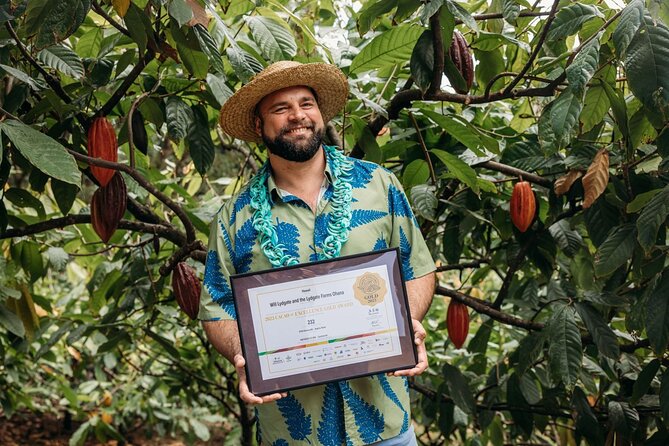
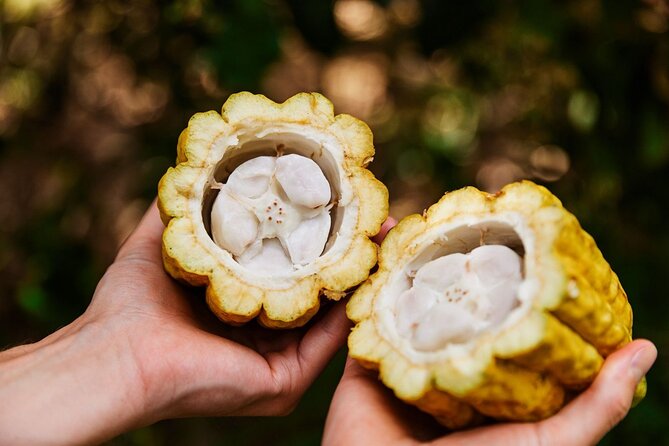
- Cacao in its natural form: See cacao trees and pods, then taste the ripe fruit before it becomes chocolate.
- More than chocolate: The tasting includes apple bananas, tropical fruit, award-winning honey, fresh vanilla beans, macadamia nuts, and dark chocolate.
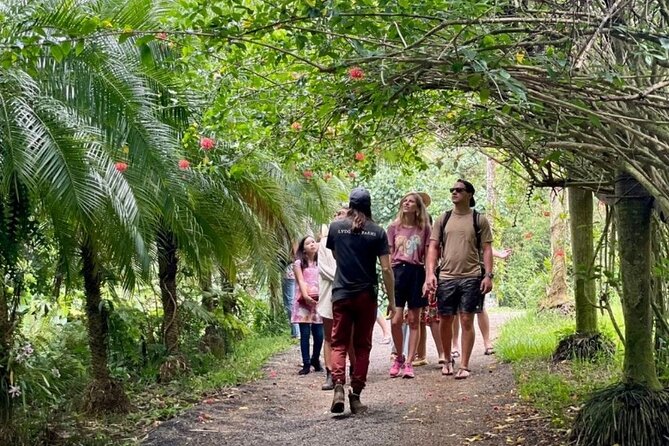
- A working farm setting: You walk through Lydgate Farms’ botanical gardens rather than sitting in a shop for the entire visit.
- A serious look at craft chocolate: The guide explains harvesting, fermentation and processing steps, and what makes Hawaiian-grown cacao distinctive.
- A relaxed pace: The tour includes some walking and plenty of seated instruction, which suits many ages but may feel long if you want constant activity.
- Small enough to stay personal: The maximum group size is 25 people, with English-speaking guides leading the session.
Walking into Lydgate Farms on Kauai
The tour begins at Lydgate Farms, at 5730 Olohena Road near Kapaʻa. You meet your guide there and finish at the same place, so plan your own transportation. Hotel pickup and drop-off are not included.
This is a working farm and botanical garden, not a polished factory attraction. That matters. You see plants growing in the ground, learn how cacao fits into a wider tropical garden, and get a better sense of the work behind a chocolate bar.
The setting also gives the tour its sense of place. Cacao does not exist in isolation. It grows alongside tropical fruits, vanilla, flowers, and other plants that support a productive farm system. Guides explain the farm’s sustainable practices and the role of pollinating insects, a subject that one couple found especially interesting.
You should expect a pleasant outdoor visit rather than a strenuous hike. The walking is limited, and much of the teaching takes place while seated. Wear comfortable clothes and shoes suited to a farm, but you do not need hiking gear.
More Chocolate Tastings in the USA
- Princeville Botanical Gardens Tour and Chocolate Tasting Ticket
★ 5.0 · 774 reviews - Nashville’s Goo Goo Chocolate Tasting & Candy Making Class
★ 5.0 · 247 reviews - Craft Chocolate Tasting and Farm Experience on the Big Island
★ 5.0 · 95 reviews
The botanical gardens, fruit, honey, and vanilla
The first part of the visit introduces the farm’s plants. Your guide leads you through the gardens and points out tropical crops as you move between tasting stops.
The fruit tasting is one of the tour’s strongest features. You may try farm-grown Hawaiian apple bananas and other tropical fruit picked from the property. These are not just palate cleansers before the chocolate. They help show how Kauai’s growing conditions produce flavors that are quite different from the fruit commonly found in mainland supermarkets.
The rare cacao fruit is the star. Most people know cacao only as a powder, nib, or chocolate bar. Here, you see the pod on the tree and taste the ripe fruit surrounding the seeds. The fresh fruit has a different character from finished chocolate, and that contrast makes the rest of the lesson easier to understand.
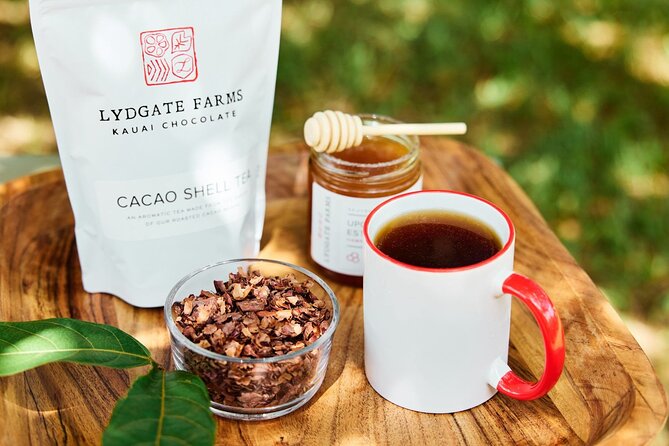
You also sample award-winning honey and fresh vanilla beans. These tastings broaden the visit beyond chocolate and make the farm feel like a living food system rather than a single-product business.
I like this part because it gives you useful context before the formal chocolate tasting begins. You first meet the raw materials, then learn how farmers handle them. The trade-off is that anyone expecting an immediate succession of chocolate samples may find the opening section slower.
Seeing cacao before it becomes chocolate
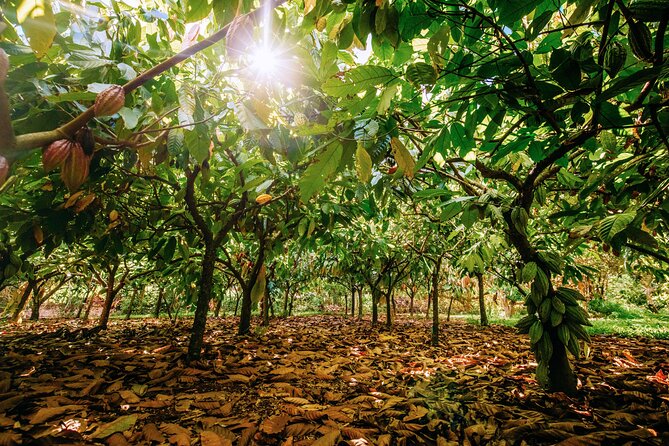
The guide explains the cacao tree, its pods, and the stages of growth. You see trees of different ages and learn how the crop develops before harvest.
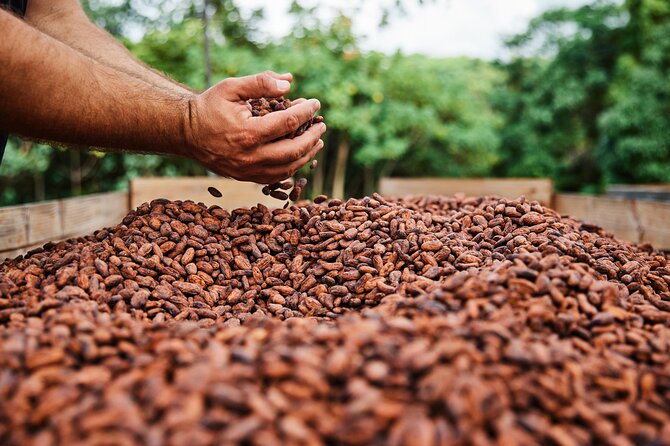
This is a valuable part of the visit for anyone who has never considered where chocolate comes from. The cacao seed is not ready to eat as a chocolate bar when it comes from the fruit. It must go through a series of careful steps before it develops the flavor people associate with chocolate.
The teaching covers the path from seed to bar, including harvesting and processing. You also get some hands-on contact with the harvest process. The exact balance between demonstration and explanation may depend on the guide and the day’s conditions, but the focus remains on how farm work shapes the final taste.
The farm setting makes the lesson easier to remember. You are not looking at a diagram of a cacao tree on a wall. You are near the plants, pods, and growing areas that supply the ingredients.
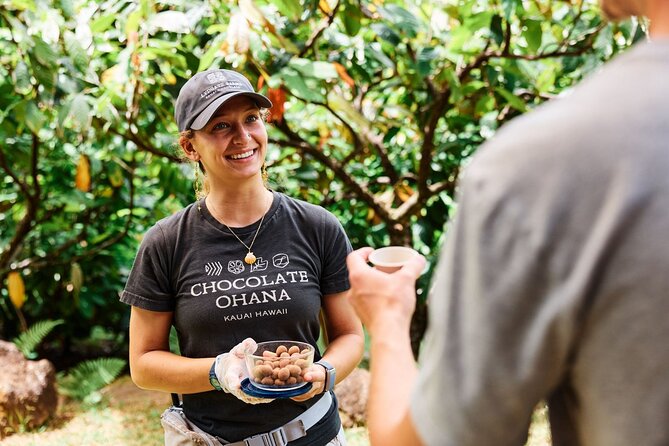
Guides are a major part of the experience. Mason has been praised for humor and an upbeat delivery. Jess is described as enthusiastic about the farm and its work. Sheri has a lively, informative style, while Brooke has been singled out for clear and entertaining explanations. Jenna is also noted for strong plant and chocolate knowledge.
That range matters because the tour contains a lot of information. A good guide turns the material into a conversation rather than a classroom lecture. Most comments about the guides are strongly positive, but one person felt the talk ran too long and included historical claims that should have been checked more carefully.
Learning how Hawaiian cacao becomes a bar
The chocolate lesson explains how raw cacao seeds are transformed into finished chocolate. You learn about the processing stages and the reasons different chocolates taste different.
The guide also discusses Hawaiian-grown cacao and why estate-grown beans can produce distinctive flavors. This is not a quick explanation followed by one sample. The tasting and teaching are tied together, so you have a chance to notice changes in flavor and texture as you work through the samples.
A useful part of the session is learning how to taste chocolate with more attention. Instead of treating every piece as simply sweet, you consider the flavor of the cacao itself and the effect of processing. That will not turn you into a professional chocolate maker, but it can change how you judge a good dark chocolate later in your trip.
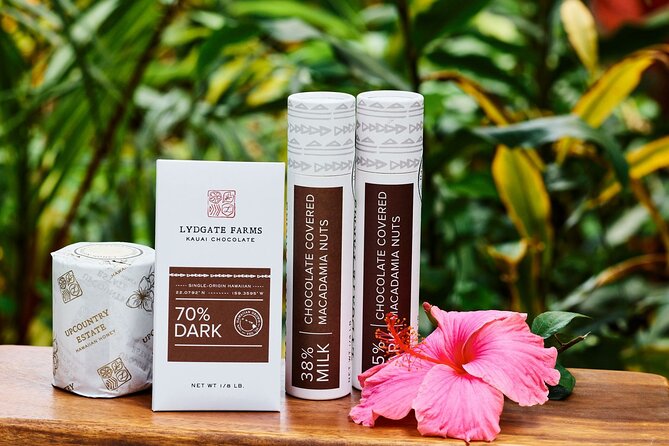
The listed tasting includes a dark chocolate-covered macadamia nut made with Hawaiian-grown 55 percent dark chocolate. The roasted and caramelized Hawaiian macadamia adds crunch and sweetness to the darker coating.
The main chocolate sample is a 70 percent dark chocolate made from estate-grown Hawaiian cacao. It gives you a chance to compare a higher-cacao chocolate with the earlier macadamia sample.
The tour also includes a selection of farm-crafted chocolates beyond these named samples. The exact lineup may vary, but you should arrive ready to eat more than one or two small pieces. One person described the experience as plentiful enough that you should bring an appetite.
If you prefer milk chocolate or very sweet candy, the emphasis on dark chocolate may not suit you as well. If you already enjoy less processed dark chocolate, the tasting will likely be more rewarding.
Same place, a different sort of tasting:
- Lahaina: Maui Ku’ia Estate Guided Cacao Farm Tour and Tasting
★ 5.0 · 1,103 reviews - Award Winning Farm Tour: Coffee, Chocolate and Unique Gifts
★ 5.0 · 484 reviews - Big Island: Night Swim with Manta Ray with Hot Chocolate
★ 4.9 · 420 reviews - Orlando: Factory Adventure Tour in Chocolate Kingdom
★ 4.5 · 240 reviews
Why the three-hour schedule matters
The tour lasts about three hours, which is long for a tasting but reasonable for a farm visit with instruction, walking, and multiple food stops.
I see the length as both a strength and a weakness. Three hours gives the guide time to discuss agriculture, pollination, cacao growth, processing, sustainability, and tasting technique. You do not have to rush from one sample to the next.
At the same time, the experience includes extended explanations. One person felt it could have been completed in about two hours, and another found the steady stream of facts tiring. You should book this with the right expectation: it is a guided educational program with food, not a short chocolate stop.
The limited walking may help if you do not want a physically demanding activity. It also means the tour does not provide constant movement or sightseeing. Much of your time is spent listening, tasting, and asking questions.
The family-friendly format is suitable for children over seven, but children under seven are not allowed on the farm tour. If you have younger children, the company directs you to its tasting room in Kapaʻa town instead.
The value of $145 per person
At $145 per person, this is a premium activity. You are paying for a three-hour guided visit, farm access, multiple tastings, and the time of an expert local guide. It is not priced like a simple box of chocolates or a short plantation walk.
The value depends on what you want from Kauai. If you want a serious look at island agriculture and craft chocolate, the price is easier to justify. You receive food tastings, but you also get a lesson about cacao, tropical crops, sustainability, and the work behind the product.
If you mainly want to eat chocolate, the cost may feel high. You can buy chocolate at a shop for far less. The tour earns its price through the combination of the farm setting, the botanical garden, the fresh cacao fruit, the honey and vanilla tasting, and the guided explanation of the entire process.
I would consider it especially worthwhile for chocolate fans, food-focused visitors, couples, and families with older children. It can also suit a solo visitor because the guide-led format gives the afternoon a clear shape. Several people described it as one of their best Kauai activities, while the less positive response shows that the format is not for everyone.
The group limit is 25 people. That is not a private tour, and private tours are not included, but the group is still limited enough for a guide to keep the tasting organized.
Practical planning before you book
This activity is commonly reserved well ahead of time, with an average booking lead of about 33 days. If it fits your plans, reserve early rather than waiting until the last part of your Kauai stay.
The tour is offered in English and includes a mobile ticket. You meet at Lydgate Farms and return there at the end. Since transportation is not included, arrange a rental car, taxi, rideshare, or another return option in advance.
One useful tip came from a visitor who suggested arranging an Uber for the return trip before leaving. That is sensible because the farm is outside the center of Kapaʻa, and you do not want to finish a chocolate tasting and then start worrying about transportation.
The farm requires a reservation. You cannot simply arrive and wander around on your own, since self-guided farm visits are not offered.
The activity requires good weather. If poor weather causes a cancellation, you will be offered another date or a full refund. You can cancel for a full refund up to 24 hours before the start time. Changes or cancellations made less than 24 hours before the start time are not accepted for a refund.
Who will enjoy this tour most
You should consider booking if you:
- Enjoy dark chocolate and want to understand how flavor develops.
- Like food tours that connect tasting with farming and production.
- Want to see cacao in its original form.
- Appreciate guides who explain details and answer questions.
- Are comfortable spending three hours on a mix of walking, sitting, listening, and tasting.
- Are visiting with children over seven who can manage an educational tour.
You may want a different activity if you:
- Prefer a fast, highly active excursion.
- Want only a short chocolate tasting.
- Dislike dark chocolate or have little interest in agriculture.
- Need hotel transportation included.
- Are traveling with children under seven.
The tour’s strongest quality is its range. You are not only eating chocolate. You are eating the fruit that surrounds cacao seeds, tasting honey and vanilla from the farm, seeing the trees, and learning how all those steps connect.
Should you book the Lydgate Farms chocolate tour?
Book it if you want to understand Hawaiian chocolate rather than simply sample it. The farm setting, rare cacao fruit, tropical produce, honey, vanilla, and estate-grown dark chocolate make this a distinctive Kauai activity.
I would not book it solely for a quick snack or a short stop between sightseeing plans. The three-hour format requires patience, and the experience can feel lecture-heavy if you prefer constant action.
For the right audience, $145 buys a thoughtful food and farm experience led by guides who bring humor and personal energy to the subject. If you enjoy learning where food comes from, like dark chocolate, and can spare an afternoon, Lydgate Farms is a strong choice.
FAQ
How long is the Kauai Chocolate Farm Tasting Tour?
The guided experience lasts approximately three hours.
Where does the tour start and end?
It starts at Lydgate Farms Chocolate Tours, 5730 Olohena Road, Kapaʻa, Hawaii 96746. The activity ends back at the same meeting point.
What food and drinks are included?
The tasting includes tropical fruit, Hawaiian apple bananas, award-winning honey, fresh vanilla beans, chocolate-covered macadamia nuts, and dark chocolate. A listed sample is a 55 percent Hawaiian-grown dark chocolate covering a roasted Hawaiian macadamia nut, along with a 70 percent estate-grown dark chocolate.
Are young children allowed on the farm tour?
Only children over seven are allowed. Children under seven cannot join the farm visit. The company directs families with younger children to its tasting room in Kapaʻa town.
Is hotel transportation included?
No. Hotel pickup and drop-off are not included, so you need to arrange transportation to and from Lydgate Farms.
Is the tour private?
No. A private tour is not included. The maximum group size is 25 people.
What happens if the weather is poor or I need to cancel?
The activity requires good weather. If it is canceled because of poor weather, you can choose another date or receive a full refund. You can cancel at least 24 hours before the start time for a full refund.
Just added around the USA
- Waterfall, Chocolate Tour, Rainforest, Royal Historical★ 4.6 · 16 reviews
- Vegas: Taste, Explore & Shop Chocolate Tour★ 3.4 · 16 reviews
- Churches & Chocolate Cart Tour★ 5.0 · 4 reviews
- Savannah History plus Coffee and Chocolate Walking Tour★ 5.0 · 28 reviews
- Santa Barbara’s Ultimate Wine and Chocolate Walking Tour★ 5.0 · 19 reviews
- Make your own Chocolate Bars & Chocolate Box★ 4.5 · 38 reviews
- Santa Fe Chocolate Tasting and History Exploration Tour★ 5.0 · 6 reviews
- Shared Wine, Chocolate and Cheese Tasting in Conesus Lake★ 5.0 · 13 reviews
Chocolate Tastings, compared.
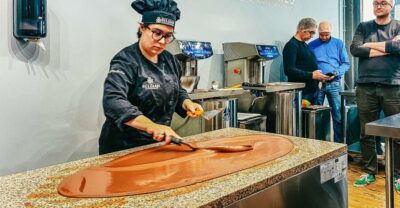
Belgian Chocolate Making Workshop with Tastings
Read our review →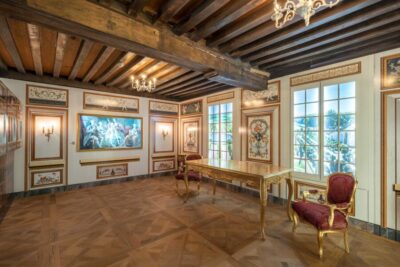
Choco-Story Chocolate Museum Guided Tour w/Tastings
Read our review →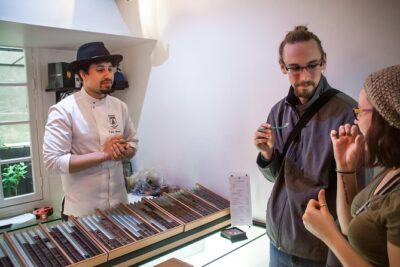
Paris French Sweets Tasting Tour with Pastries and Chocolates
Read our review →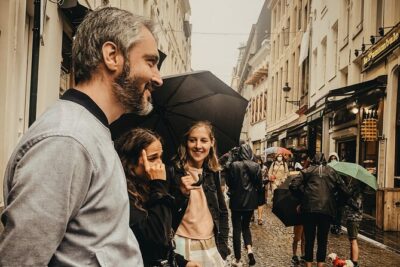
Brussels Walking and Tasting Tour (Beers,Chocolates&Fries/Waffle)
Read our review →
Brussels and Bruges Tour & Optional Chocolate Tasting
Read our review →
Beer Tour with 6 Beers and 3 Chocolate Tastings
Read our review →
Brussels & Bruges w/ Optional Chocolate Tasting
Read our review →Browse the lists this tour appears in