
Review · DOMINICAN REPUBLIC
Chocolate-making experience & Colonial Zone walking tour
Chocolate begins with a story. This private Santo Domingo outing pairs the city’s Colonial Zone with a hands-on look at cacao, so you get culture, food, and a little underground scenery in one half-day. I like the personal guide and air-conditioned transfer, especially for families who want a simple way to move between several stops.
I also like that the chocolate visit goes beyond tasting. You see a real cacao plantation, follow the process from farm to finished product, and learn about the machines that mix and shape chocolate. The main consideration is the $180-per-person price, which is easier to justify for a private group than for one or two people.
Key points to know before booking
- The day combines three different settings: Santo Domingo’s Colonial Zone, a cacao plantation, and the caves and clear pools of Three Eyes National Park.
- The chocolate portion is more than a sample: A holographic theater, plantation visit, production explanation, and tasting are all part of the experience.
- Private transport keeps the schedule easy: Pickup is offered, and the air-conditioned vehicle is included.
- The tour lasts about three to four hours: Plan on roughly three hours for the main cultural and chocolate program, followed by about 30 minutes at Three Eyes.
- It works well for families: Snacks, bottled water, and a personal guide are included, and most people can participate.
- The price favors groups: At $180 per person, the private format offers the best value when shared by several people.
Why this pairing works in Santo Domingo
Santo Domingo can feel like two trips in one. The Colonial Zone gives you streets, landmarks, and the story of the first European settlement in the New World. The cacao visit shifts your attention from buildings to agriculture and food production. Three Eyes then changes the mood again, taking you into a cave setting with clear ponds.
I like this mix because it avoids making the whole half-day about one subject. You can learn how the city developed, see how cacao becomes chocolate, and finish with a natural attraction within the city. That variety matters when you are traveling with children or with people who do not share the same interests.
The tour is private, so the pace and explanations are intended for your group alone. You are not joining a large coach group or trying to keep up with strangers. That can make a real difference during a walking tour, especially if you want to ask questions about local culture or spend a little extra time on a point that catches your attention.
The schedule is still compact. Three to four hours is enough for an introduction, not a full study of Santo Domingo or Dominican cacao. I would book it as a focused half-day, then leave the rest of your day open for another meal, museum, beach visit, or time in the city.
More Chocolate Walking Tours in the Dominican Republic:
- Brussels: Historical Walking Tour with Chocolate & Waffle Tasting
★ 5.0 · 1,165 reviews - Brussels Walking and Tasting Tour (Beers,Chocolates&Fries/Waffle)
★ 5.0 · 929 reviews - Brussels Chocolate Walking Tour and Workshop
★ 4.5 · 885 reviews
Starting in the Colonial Zone
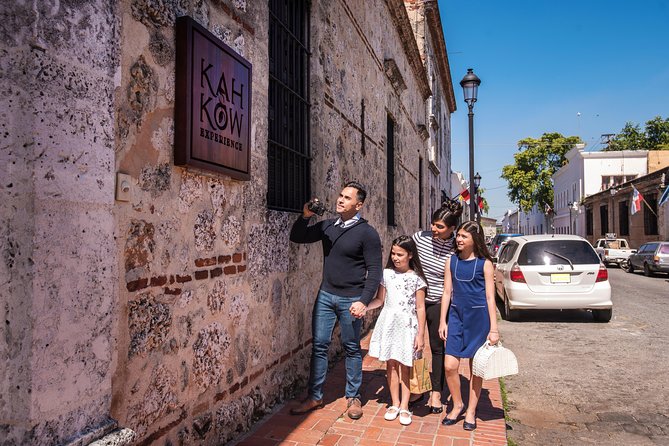
The experience begins at the Catedral Primada de las Américas on Calle Isabel La Católica, one of the clearest meeting points in Santo Domingo’s old center. If you arrange pickup from your hotel or another address, confirm the exact pickup details before the day begins. The published meeting point is also the end point, so the tour returns to the starting area.
The first part presents the history and culture of the Colonial Zone, tied to Santo Domingo’s place as the first European settlement in the New World. The supplied details do not list every building or street covered, so you should think of this as a guided introduction rather than a full architectural survey.
That is useful if you are new to the old city. A guide can give meaning to the landmarks instead of leaving you to read plaques and guess what matters. The walking format also lets you see the area at street level, where the old center makes more sense than it would through a vehicle window.
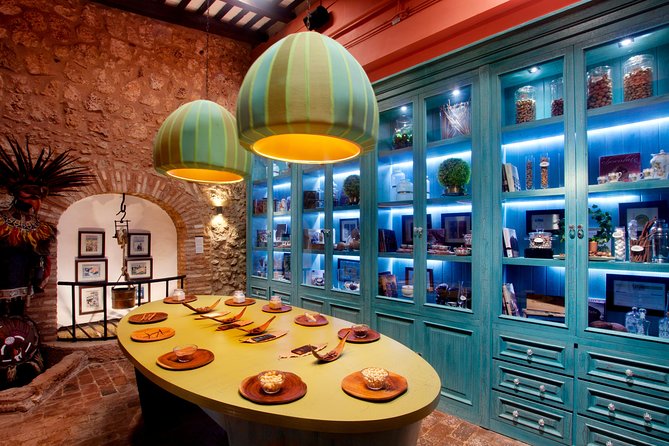
One unusual feature is a holographic theater. Different personalities connected with the world of chocolate appear to tell their stories. It is an unexpected way to begin the cacao portion, and children may find the visual presentation easier to follow than a long spoken explanation.
The theater also sets up the larger idea of the experience: chocolate is not just a finished sweet in a shop. It has people, farming, machinery, and a long path behind it. If you enjoy food experiences that explain how a product is made, this is one of the stronger parts of the schedule.
Seeing cacao at a real plantation
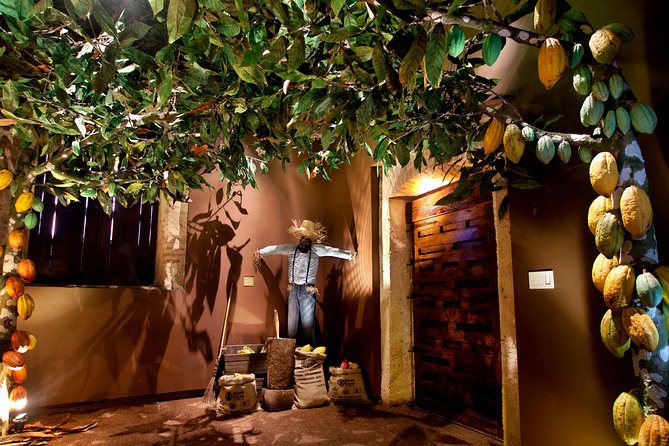
After the presentation, you visit a cacaotal, or cacao plantation. The description says you will see and feel the plantation itself, then learn about the full chocolate-making process. That is important because it moves the experience away from a simple factory display.
The farm visit gives you a chance to connect the finished chocolate with the plant that produces the cacao. The information does not specify the exact farm size, the season, or every stage shown, so I would not expect a long agricultural tour. Instead, expect a compact introduction that fits the half-day schedule.
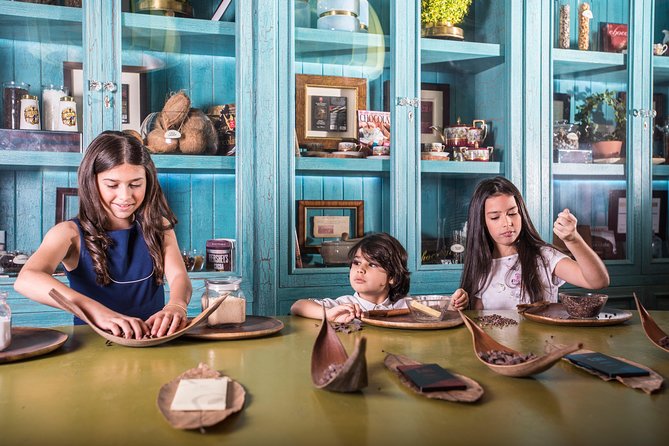
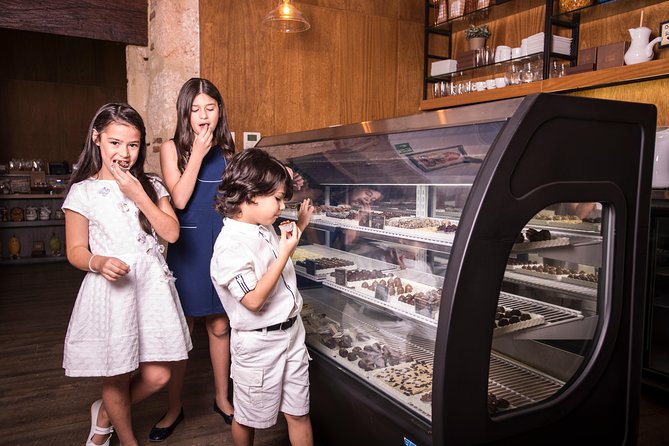
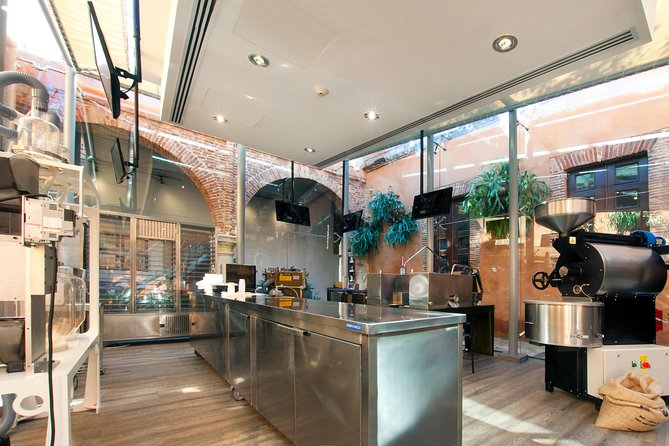
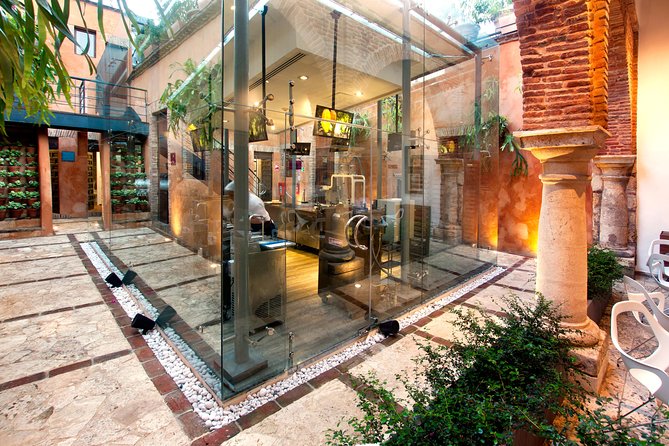
The production explanation is the part most likely to please food lovers. You can see how cacao moves toward chocolate and learn about the machinery used to mix it. A tasting is included in the experience, and the food-focused feedback highlights both the explanation and the chance to sample excellent chocolate.
I would pay attention to the contrast between the raw agricultural product and the finished item. That is where the visit earns its place in the itinerary. You are not simply buying a bar and calling it local culture. You are learning about the stages that connect the plantation to the store.
Snacks and bottled water are included, which is helpful during a warm walking and sightseeing program. The exact snacks are not specified, so do not plan on them as a full lunch. If you need a substantial meal, arrange that separately.
What to expect from the chocolate production explanation
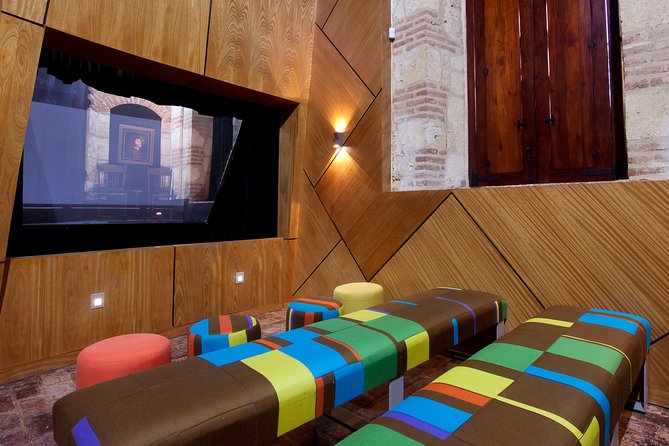
The chocolate portion is described as lasting within the main three-hour program, along with the Colonial Zone activities. Since the timing is not broken down more precisely, the amount of time spent at the theater, plantation, tasting, and walking stops may vary.
That flexibility is one benefit of a private tour. Your guide can explain the process at a level that suits your group. A family with young children may want a quicker technical explanation and more time for tasting. A group of food enthusiasts may prefer to ask about the machines and production steps.
The available feedback places strong emphasis on the explanation from farm to store, the tasting, and the machines that mix the chocolate. I would treat those as the main reasons to book if cacao is your priority. The Colonial Zone and Three Eyes add variety, but the chocolate program is the heart of the experience.
The tour may also suit a person who enjoys tasting but does not want a formal cooking class. There is no indication that you make a chocolate bar from scratch yourself. The focus is on seeing, learning, and tasting the process.
That distinction is worth noting. If you want a hands-on workshop where you temper chocolate or create your own confection, this may not meet that specific goal. If you want a clear explanation of production with a plantation setting and samples, it is a better match.
A few more chocolate tours around the Dominican Republic worth a look
- 4×4 Dominican Adventure with Chocolate and Coffee Tasting
★ 5.0 · 2,920 reviews - 4×4 ATV Experience, Water Cave, Chocolate and Coffee Tasting
★ 5.0 · 1,430 reviews - Buggy Adventure Tour with Chocolate and Coffee in Punta Cana
★ 5.0 · 953 reviews - Buggy Ride Into the jungle with cave coffee & chocolate tasting
★ 5.0 · 465 reviews
Three Eyes National Park in a 30-minute visit
The final stop is Three Eyes National Park, known here for its caves and clear ponds. The visit lasts about 30 minutes, and admission is included.
This is a short stop, but it changes the feel of the afternoon. After the city streets and cacao machinery, you get an enclosed natural setting with rock formations and water. The description calls it one of the city’s less familiar and beautiful places, though you should keep your expectations realistic: half an hour allows for a look around, not an extended exploration.
The caves and clear pools are the main draw. The available information does not specify the route, walking conditions, lighting, or whether swimming is allowed. Do not assume that a swim or a long cave trek is part of the tour. Think of Three Eyes as a scenic final stop included in a compact city itinerary.
This stop can be especially useful if your group wants a visual attraction after the educational chocolate portion. It also gives children something different to look at, although parents should follow the guide’s instructions around cave paths and water.
The visit ends back at the meeting point near the cathedral. That makes the tour easy to combine with more time in the Colonial Zone afterward, assuming you still have energy and your plans allow it.
Private transport and group value
An air-conditioned vehicle is included, along with the personal guide. Pickup is offered from your Santo Domingo hotel or address, although the listed meeting point remains the cathedral area. Confirming the pickup plan is a sensible step, particularly if you are not staying near the old city.
The vehicle matters in Santo Domingo’s heat. Moving from the Colonial Zone to the cacao site and then to Three Eyes without arranging separate taxis keeps the day tidy. You also avoid spending part of your short tour negotiating transport between stops.
At $180 per person, this is not a budget walk. The price pays for privacy, a guide, transportation, admission to the stated attractions, snacks, and water. It becomes more attractive when several people share the experience, since the private format can spread the cost across your group.
For one person or a couple, the value depends on how much you care about convenience and personal attention. If you would rather arrange a cheaper walking tour and visit attractions on your own, the price may feel high. If you want one booked experience that connects the old city, cacao, and Three Eyes without piecing together transport, the cost is easier to defend.
Group discounts are offered, but the exact discount is not provided. Ask for the current group rate before booking rather than assuming a particular saving.
Who will enjoy this experience most
I would recommend this tour to several types of visitors:
- Families with children: The holographic theater, tasting, caves, and short overall duration provide variety.
- Chocolate fans: The plantation, machines, production explanation, and samples give the food portion real substance.
- First-time visitors to Santo Domingo: The Colonial Zone offers a useful introduction to the city’s earliest European history and culture.
- Small private groups: The price makes more sense when several people share the vehicle and guide.
- Visitors with limited time: You can cover three different attractions in a single half-day.
You may want another type of outing if you prefer a long, slow architectural walk. The city portion is only one part of the day, and the schedule also includes a plantation and a park. You should also choose another activity if your main goal is an extended chocolate workshop with substantial hands-on making.
The tour is listed as suitable for most people, and service animals are allowed. It is near public transportation, but the private vehicle makes that less important for the scheduled outing. No special physical requirement is listed, though this does include walking and a visit to caves, so ask the provider if your group has specific mobility concerns.
Timing, weather, and cancellation basics
Confirmation is provided at booking. Free cancellation is available when you cancel at least 24 hours before the local start time. Cancellations or changes made inside that 24-hour window are not refunded or accepted.
The tour requires good weather. If poor weather causes a cancellation, you are offered another date or a full refund. The same choice applies if the minimum number of participants is not reached.
I would avoid scheduling this on the final morning of your trip. A weather change or timing problem could affect your plans, and the flexible cancellation terms are less useful once you are inside the 24-hour window.
Should you book the Colonial Zone and chocolate tour?
Book it if you want a private, well-rounded half-day with cacao education as the main attraction. The strongest reasons are the farm-to-store explanation, the plantation visit, the tasting, and the included vehicle. Families and small groups should find the varied schedule easy to enjoy.
Think twice if $180 per person feels high, or if you want a long walking tour or a true chocolate-making class. The itinerary is compact, and the Three Eyes stop lasts only 30 minutes. For the right group, though, this is a practical way to connect Santo Domingo’s old center with one of the Dominican Republic’s most familiar agricultural products.
FAQ
How long does the tour last?
The experience lasts approximately three to four hours.
What places are included?
The tour includes the Zona Colonial, a cacao plantation visit, and Three Eyes National Park.
Is hotel pickup available?
Yes. Pickup is offered from a Santo Domingo hotel or address. The listed meeting point is the Catedral Primada de las Américas, and the activity ends back at the meeting point.
Is this a private tour?
Yes. Only your group participates in the activity, and a personal guide is included.
What is included in the price?
The price includes a personal guide, an air-conditioned vehicle, bottled water, snacks, and admission tickets for the included stops.
Is chocolate tasting included?
Yes. The chocolate portion includes an explanation of the production process and an opportunity to taste the chocolate.
How much time is spent at Three Eyes National Park?
The visit to Three Eyes National Park lasts about 30 minutes.
Are children allowed on the tour?
The experience is described as ideal for families with children, and most people can participate.
What is the cancellation policy?
You can cancel at least 24 hours before the start time for a full refund. Cancellations or changes made less than 24 hours before the start time are not accepted or refunded. Weather or minimum-participant cancellations may result in another date or a full refund.
Just added around the Dominican Republic
- Punta Cana Buggy with Chocolate, Coffee & Cave Swim★ 4.5 · 21 reviews
- Extreme Jungle Buggy Ride with Coffee and Chocolate Tasting★ 5.0 · 10 reviews
- Buggy Off-Roading with Chocolate and Coffee Tasting in Punta Cana★ 5.0 · 16 reviews
- ATV Ride with Coffee, Chocolate Tasting and Cenote in Punta Cana★ 5.0 · 13 reviews
- Guided Shopping Tour – Rum tasting, chocolate factory, Cigar factory★ 4.5 · 6 reviews
- Guided Shopping Tour to Bella Mare Store (Cigars, Chocolate, Rum and Souvenirs)★ 3.5 · 24 reviews
- Discover Dominican Treasures: Rum, Cigars, Coffee & Chocolate★ 3.0 · 5 reviews
- Buggy Ride with Cenote Coffee and Chocolate Tasting★ 5.0 · 2 reviews
Walking Tours, compared.
Historical Walking Tour with Chocolate & Waffle Tasting
Read our review →
Brussels Walking and Tasting Tour (Beers,Chocolates&Fries/Waffle)
Read our review →
Saint-Germain: Gourmet Chocolate & Pastry Walking Food Tour
Read our review →
Walking Food Tour with Chocolate, Beer, & Waffles
Read our review →
Melbourne Lanes & Arcades Chocolate and Dessert Walking Tour
Read our review →
Browse the lists this tour appears in