
Review · DOMINICAN REPUBLIC
Santo Domingo: Chocolate Tour + Optional Workshops
Chocolate starts as a humble fruit. At KahKow Experience in Santo Domingo, you follow cacao from pod to finished bar through holograms, tastings, working rooms, and hands-on activities. I like the sensory room, where you identify chocolate ingredients with your five senses, and the chance to make your own bar or cacao-butter soap. The main drawback is the short visit, especially if you choose the basic tour without a workshop.
I also like the clear, small-group format and the mix of history with practical production details. The tour begins every 11 minutes, so it is easy to fit into a day in the Colonial Zone. Still, the 25-minute version moves quickly, and you should choose the 50-minute option if you want time for a workshop and a more relaxed pace.
Key points to know before you go
- Holographic chocolate history: Ghostly figures explain how cacao began and how it reached Hispaniola and the wider world.
- Cacao fruit tasting: You sample the fruit and beans, not just finished chocolate.
- Fermentation matters: The guide explains why post-harvest treatment shapes chocolate quality.
- Five-sense challenge: You identify ingredients before tasting different KahKow chocolate percentages.
- Two optional workshops: Make a chocolate bar or create soap with a cacao-butter formula.
- Easy Colonial Zone location: KahKow Experience is at Calle Las Damas 102, near Santo Domingo’s historic center.
A short chocolate lesson with plenty to taste
KahKow Experience offers a compact introduction to cacao at Calle Las Damas 102 in Santo Domingo’s Distrito Nacional. The base price is $21 per person, and the visit lasts about 25 minutes. Add a workshop, and the total experience can run to roughly 50 minutes.
That short length is both a strength and a limitation. If you have only a little time between sights in the Colonial Zone, you can learn the basic story of cacao without giving up half your day. If you enjoy food experiences and want to ask questions, taste several products, and make something yourself, select the longer option.
The tour is built around several rooms rather than a long factory walk. You move from the Holographic Theater to a cacao plantation display, then to the Fermentation Room, the Sensory Room, and finally the glass box on the Spanish Patio. Each stop answers a different question: Where did cacao come from? What does the fruit taste like? Why does fermentation matter? How do the machines turn prepared beans into chocolate?
That order works well because it follows the food itself. You begin with origins, then see the raw material, learn about post-harvest work, test your senses, and finish with the machinery used to make the final product.
A few more chocolate tours around the Dominican Republic worth a look
- 4×4 Dominican Adventure with Chocolate and Coffee Tasting
★ 5.0 · 2,920 reviews - 4×4 ATV Experience, Water Cave, Chocolate and Coffee Tasting
★ 5.0 · 1,430 reviews - Buggy Adventure Tour with Chocolate and Coffee in Punta Cana
★ 5.0 · 953 reviews
The Holographic Theater brings cacao’s story to life
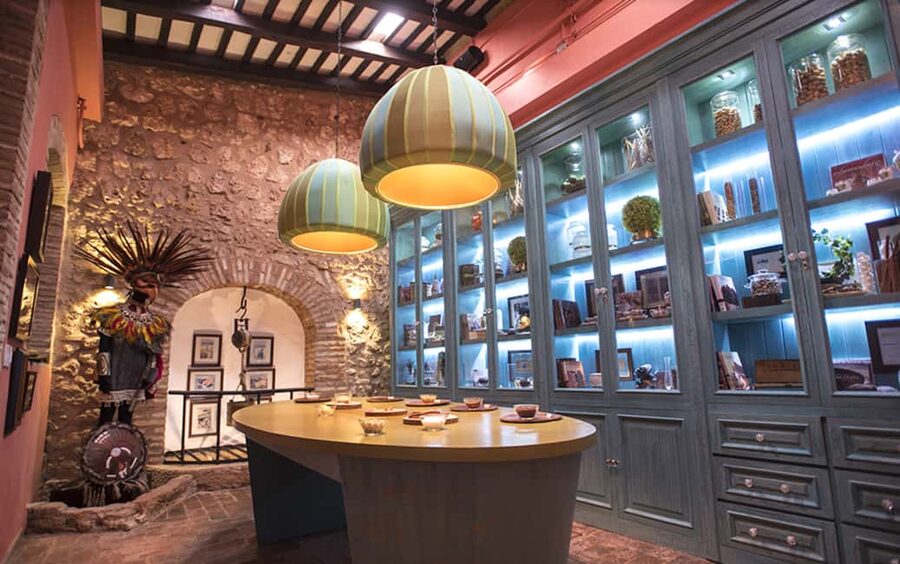
Your visit starts in the Holographic Theater. Different ghostly figures appear and tell the story of chocolate from its earliest beginnings. The presentation explains how cocoa reached Hispaniola and then traveled onward to other parts of the world.
This is not a long academic lecture. The theatrical approach is designed to grab your attention quickly, which makes it useful for families and anyone who prefers a visual introduction. It also gives the tasting and production rooms a wider context. You are not simply sampling a Dominican product. You are seeing how cacao became a worldwide food while remaining tied to the Caribbean.
I find this opening especially helpful if your knowledge of chocolate begins and ends with the supermarket shelf. The theater gives you a basic timeline before the guide starts talking about growing, fermentation, drying, and percentages.
The ghost characters may feel playful rather than solemn. That is part of the point. This is an entertainment-focused museum experience, not a university course. You will get a clear story, but not an exhaustive study of every cacao-growing region or chocolate-making tradition.
Cacao fruit makes the process feel real
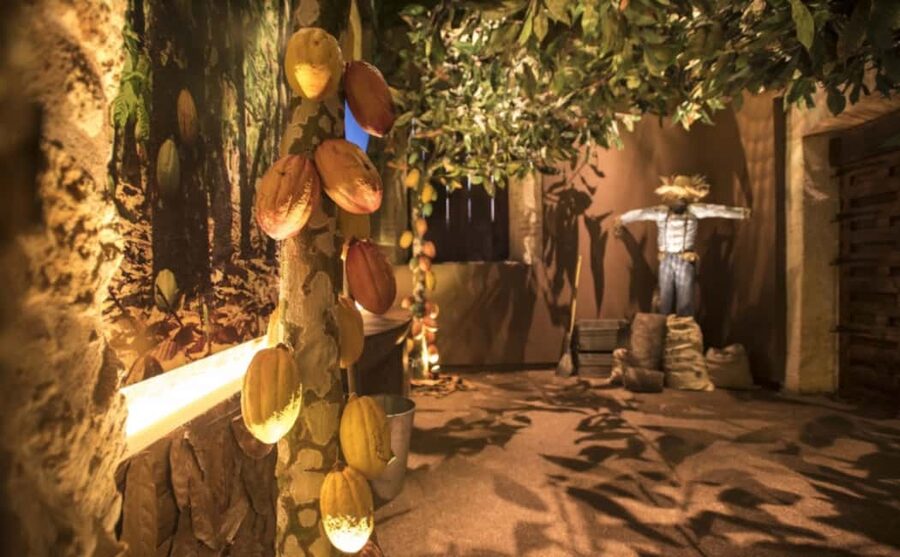
Next, you enter the Cocoa Plantation area. Here you can sample cacao fruit and get a sense of the forest setting where cacao grows. This part helps you understand how far the finished chocolate is removed from the original pod.
The fruit itself is an important tasting. Many people know cacao only as dry beans or chocolate bars, so tasting the fresh fruit gives you a useful comparison. The pod, pulp, and beans are part of a process that begins long before roasting and grinding.
The plantation setting also keeps the experience from becoming a simple product demonstration. You see the raw source rather than jumping straight to polished bars and packaged sweets. I like that connection, especially if you are interested in food production and not just dessert.
The stop is brief, so do not expect a full working plantation visit. You are getting a recreated or display-based forest setting within the attraction, along with a sample of cacao fruit. It is a taste and explanation, not a farm excursion.
Fermentation and drying explain the flavor
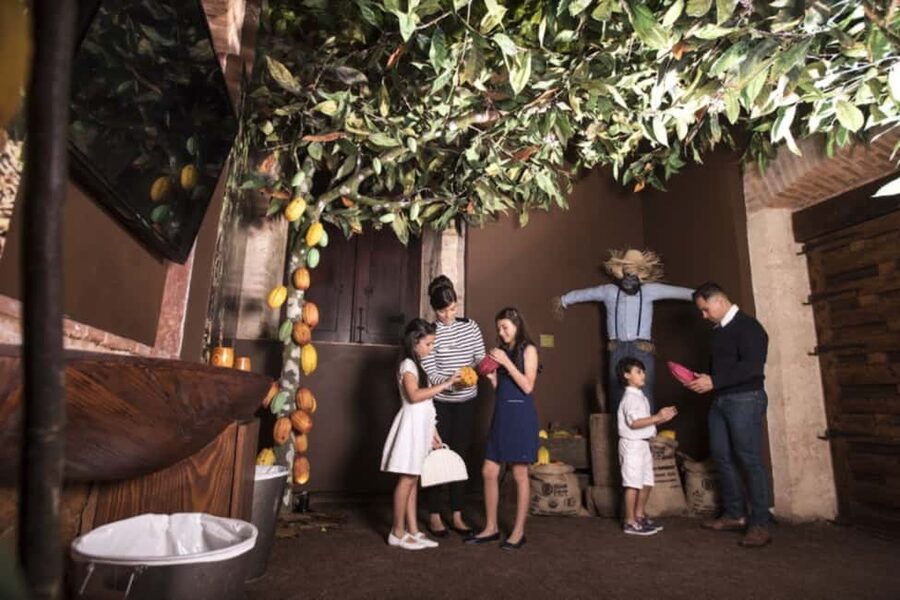
The Fermentation Room is one of the more useful parts of the experience because it focuses on a stage many chocolate lovers never consider. Your guide explains fermentation and drying after harvest, including why these steps matter when producers want quality chocolate.
Cacao beans do not simply come out of the pod ready for a chocolate factory. Post-harvest treatment changes the beans and helps prepare them for later stages of production. The guide connects these steps to the final quality of the chocolate, giving you a better way to think about flavor and craftsmanship.
This is where the tour moves beyond a basic candy tasting. You begin to see that the final bar depends on farming, handling, timing, and processing. The explanation should be particularly useful if you plan to buy Dominican chocolate during your stay and want to understand what you are taking home.
The room is educational, but the tour remains short. You will receive an accessible explanation rather than a detailed technical lesson on temperatures, fermentation schedules, or regional variations. If you ask questions, the small-group setup should give you a better chance at personal attention than a large museum group.
Same place, a different sort of tasting:
- Buggy Ride Into the jungle with cave coffee & chocolate tasting
★ 5.0 · 465 reviews - Road Off Half Day Buggy with Chocolate and Coffee Tasting
★ 5.0 · 326 reviews - ATV Adventure w/ Chocolate, Coffee & Cave Swim in Punta Cana
★ 5.0 · 178 reviews - Puerto Plata Private City Tour with Mount Isabel & Rum &Chocolate
★ 4.5 · 123 reviews
The Sensory Room turns chocolate into a game
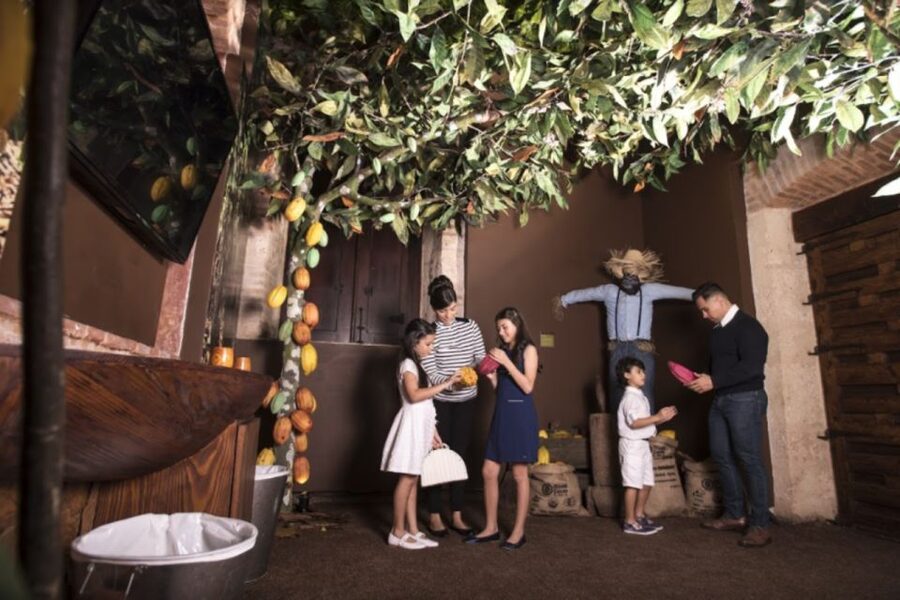
In the Sensory Room, you use your five senses to identify the ingredients found in chocolate. If you guess correctly, you get to taste several KahKow Organic Chocolate percentages.
This is the most interactive part of the standard tour. Instead of only listening to a guide, you smell, taste, and compare. The activity also shows why chocolate percentages matter. A higher or lower cacao percentage can change the balance between bitterness, sweetness, and the flavor of the cacao itself.
You do not need to be a chocolate expert to enjoy this room. The point is not to prove that you have a trained palate. It is to slow down and notice what you are tasting. If you normally eat a chocolate bar without thinking about its ingredients, this exercise gives you a simple way to pay closer attention.
The tasting may also help you decide what to buy afterward. KahKow makes organic chocolate in different percentages, and the comparison gives you a better sense of your own preference. One recent visitor enjoyed making chocolate and buying products after the tour, so leave a little room in your plans if you want to shop.
Because the tour is short, the sensory activity may feel quick. If tasting is your main reason for booking, the workshop upgrade gives you more time with the product than the basic visit alone.
Machines finish the story on the Spanish Patio
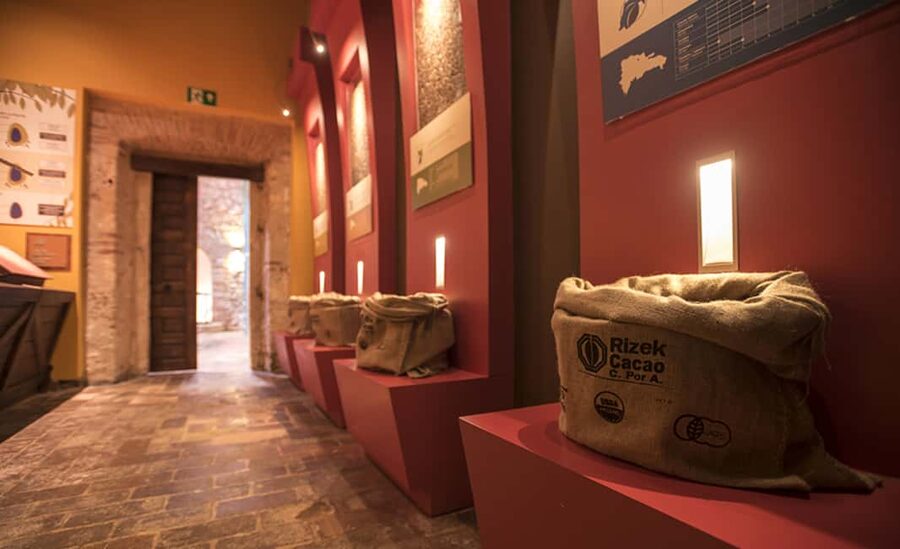
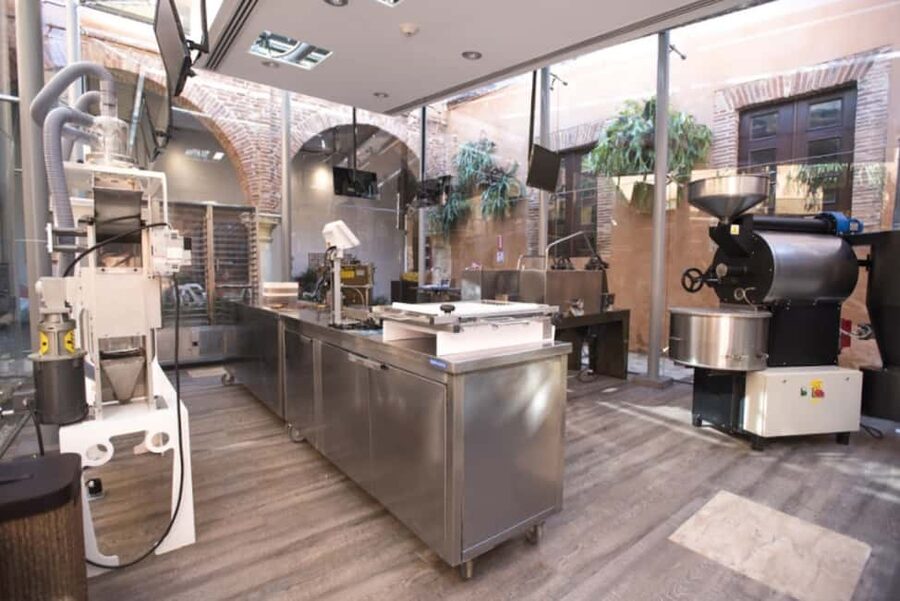
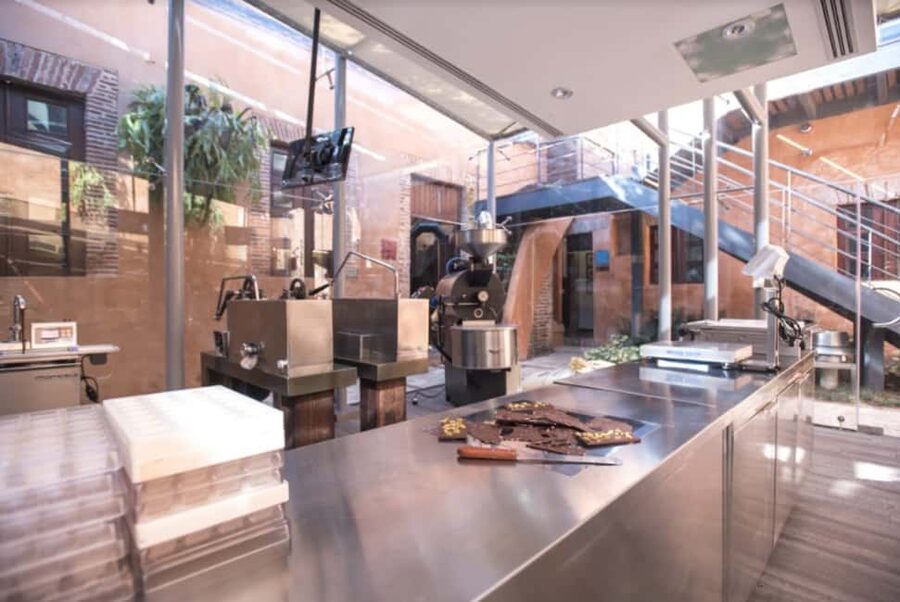
The final tour stop takes place in the glass box on the Spanish Patio. Here, your guide explains how the factory machines work and how they turn prepared cacao into the finished product.
The glass enclosure gives you a look at the production side without turning the visit into a full industrial factory tour. You can connect the earlier steps, from fruit and beans to fermentation and drying, with the equipment used to produce chocolate.
This ending is practical because it completes the chain. You have seen the source, learned about post-harvest work, tested ingredients, and now hear how the product reaches its final form. The tour does not leave you with only a romantic story about cacao. It also shows the machinery and production methods behind the bar.
Keep your expectations measured. The attraction is a compact experience, so you are not likely to spend a long time watching every stage of commercial production. The guide’s explanation does most of the work, with the equipment providing a useful visual reference.
Choosing between the chocolate and soap workshops
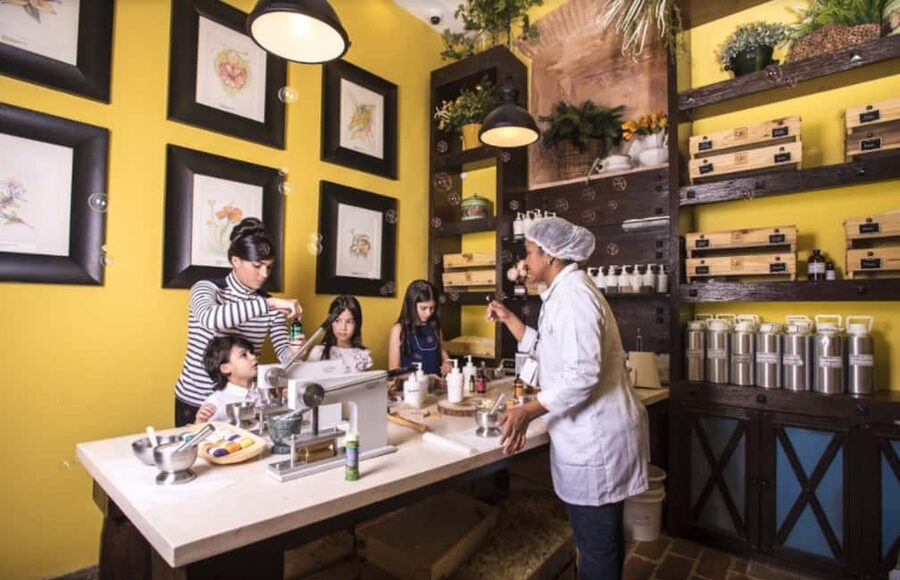
You can add a workshop after the main tour. The Chocolate Workshop lets you create your own chocolate bar. This is the natural choice if you want the most direct connection to the tasting portion of the visit.
Making a bar also gives you something personal to take away. It can be a pleasant choice for families, couples, or anyone who prefers doing rather than simply watching. The basic tour already includes chocolate tasting, but the workshop adds a hands-on step and makes the experience last longer.
The Soap Workshop takes a different route. You learn to make soap using a cacao-butter formula prepared by workers at La Esmeralda. You can then add your preferred aroma.
This option is useful if you want to try a product that is connected to cacao but is not another sweet. It also gives you a small craft activity and a practical souvenir. The supplied information does not specify the available aromas, so you should ask your guide what choices are offered when you arrive.
You do not need to choose a workshop if you mainly want the history, tasting, and factory explanation. The standard visit is enough for a quick introduction. But the short basic tour may feel over quickly, and the workshop is the better value if you want a fuller experience.
What $21 gets you in Santo Domingo
At $21 per person, the basic tour is reasonably priced for a central Santo Domingo activity that combines a guided presentation, tastings, and several themed rooms. You are paying for more than a sample of chocolate. The experience explains farming, post-harvest treatment, sensory qualities, and production.
The value depends on how you use it. If you rush through the basic 25-minute version, the price may feel high compared with a simple shop tasting. If you choose a workshop and take time with the guide, the visit becomes a more complete food activity.
The small-group format is another part of the value. A compact group makes it easier to hear the guide, take part in the sensory challenge, and ask questions. It also creates a quieter setting than a large scheduled attraction might offer.
Food and drinks beyond the stated tastings are not included. Budget separately if you plan to buy KahKow products or want something else afterward. Buying chocolate at the end is a natural choice, but it is optional.
Timing, location, and practical planning
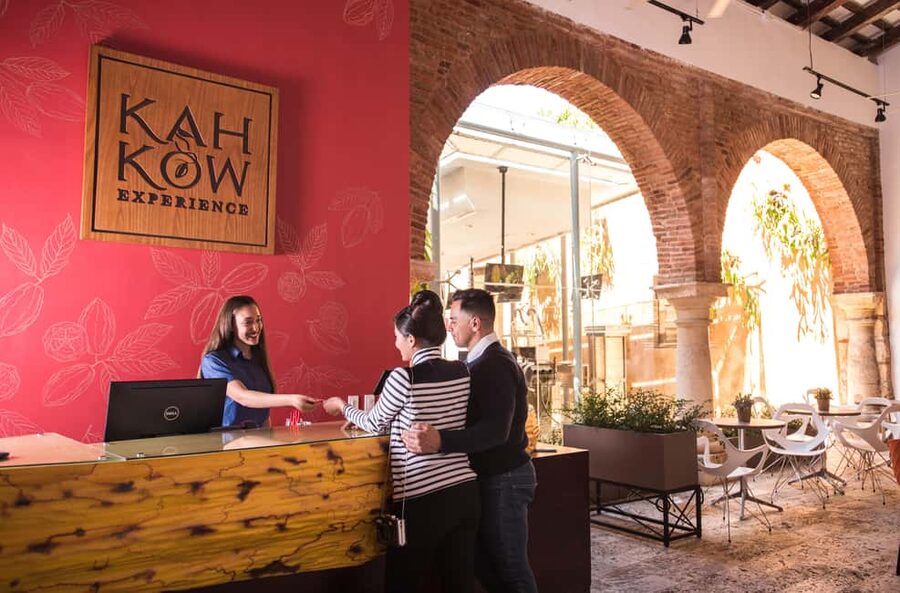
KahKow Experience is at Calle Las Damas 102, Santo Domingo 10210, in the Distrito Nacional. Its location makes it a practical addition to a day focused on the Colonial Zone. You can pair it with nearby historic sights rather than making a separate trip across the city.
Tours begin every 11 minutes. That unusual schedule gives you flexibility, although you should still allow enough time to arrive, check in, and bring the required passport or identification card.
The tour takes about 25 minutes without a workshop and up to about 50 minutes with an added activity. A recent booking described the tour as starting on time, so arriving promptly is sensible even with frequent start times.
The experience is wheelchair accessible and stroller accessible. Live guiding is available in English, Spanish, French, German, and Russian. Since the tour involves several rooms and sensory activities, tell the staff about any needs when you arrive so they can help you get the most from the visit.
You can cancel up to 24 hours before the start time for a full refund, and the reserve-now, pay-later option lets you hold a place without paying immediately. Those policies are useful if your Santo Domingo schedule may change.
Who will enjoy this chocolate tour most?
I would recommend KahKow to anyone who wants a short, organized food activity in the Colonial Zone. It suits families because the holograms and sensory challenge keep the subject active. It also works well for couples and solo visitors who want a small taste of Dominican cacao without committing to a long excursion.
Chocolate fans will appreciate the comparison of different percentages and the explanation of fermentation. People interested in local products can use the tour as background before buying Dominican chocolate to take home.
The experience is less suited to you if you want a full plantation visit, a long factory tour, or advanced instruction in chocolate making. The plantation area is part of the attraction, and the factory machinery is explained, but this is not a day in the countryside or a professional confectionery course.
If you have limited time, book the standard tour. If you enjoy making things or want the best value from the visit, add the chocolate or soap workshop and plan for the full 50 minutes.
Should you book KahKow Experience?
Book it if you like food history, hands-on activities, and a tour that gets to the point. The best parts are the cacao fruit tasting, the fermentation explanation, and the sensory test with different KahKow chocolate percentages. The optional workshop makes the short visit feel more substantial.
Skip it if your schedule is packed with major Santo Domingo sights and you are satisfied buying chocolate without learning how it is made. For most visitors already exploring Calle Las Damas, though, the $21 price and short running time make this an easy addition. Choose the workshop if you want more than a quick introduction, and arrive ready to taste cacao in forms you may not have tried before.
FAQ
Where does the chocolate tour take place?
The tour takes place at KahKow Experience, Calle Las Damas 102, Santo Domingo 10210, República Dominicana.
How long does the experience last?
The main tour lasts about 25 minutes. An optional workshop can extend the experience to about 50 minutes.
How much does the tour cost?
The listed price is $21 per person. Workshop choices may be added to the experience.
What languages are available?
Live guides are available in English, Spanish, French, German, and Russian.
Does the tour include chocolate tasting?
Yes. The experience includes cacao bean tasting and a sensory activity with different percentages of KahKow Organic Chocolate.
What workshops can I add?
You can choose a Chocolate Workshop to create your own chocolate bar, or a Soap Workshop using a cacao-butter formula and your preferred aroma.
What should I bring?
Bring your passport or ID card. The tour is wheelchair accessible and stroller accessible.
Just added around the Dominican Republic
- Punta Cana Buggy with Chocolate, Coffee & Cave Swim★ 4.5 · 21 reviews
- Buggy Off-Roading with Chocolate and Coffee Tasting in Punta Cana★ 5.0 · 16 reviews
- ATV Ride with Coffee, Chocolate Tasting and Cenote in Punta Cana★ 5.0 · 13 reviews
- Extreme Jungle Buggy Ride with Coffee and Chocolate Tasting★ 5.0 · 10 reviews
- Guided Shopping Tour – Rum tasting, chocolate factory, Cigar factory★ 4.5 · 6 reviews
- Guided Shopping Tour to Bella Mare Store (Cigars, Chocolate, Rum and Souvenirs)★ 3.5 · 24 reviews
- Discover Dominican Treasures: Rum, Cigars, Coffee & Chocolate★ 3.0 · 5 reviews
- Buggy Ride with Cenote Coffee and Chocolate Tasting★ 5.0 · 2 reviews
Chocolate Tours, compared.
Choco-Story Brussels: Chocolate Museum Entrance with Tasting
Read our review →
City Tour, Cruise, and Lindt Home of Chocolate Visit
Read our review →
The Chocolatarium Chocolate Tour Experience in Edinburgh
Read our review →
Award-Winning Geneva Chocolate &Old Town Tour with Boat Ride (3h)
Read our review →
Yarra Valley Wine, Gin, Whisky and Chocolate Tour
Read our review →
4×4 Dominican Adventure with Chocolate and Coffee Tasting
Read our review →
Browse the lists this tour appears in