
Review · SWITZERLAND
Basel: Guided Local Chocolates Tasting
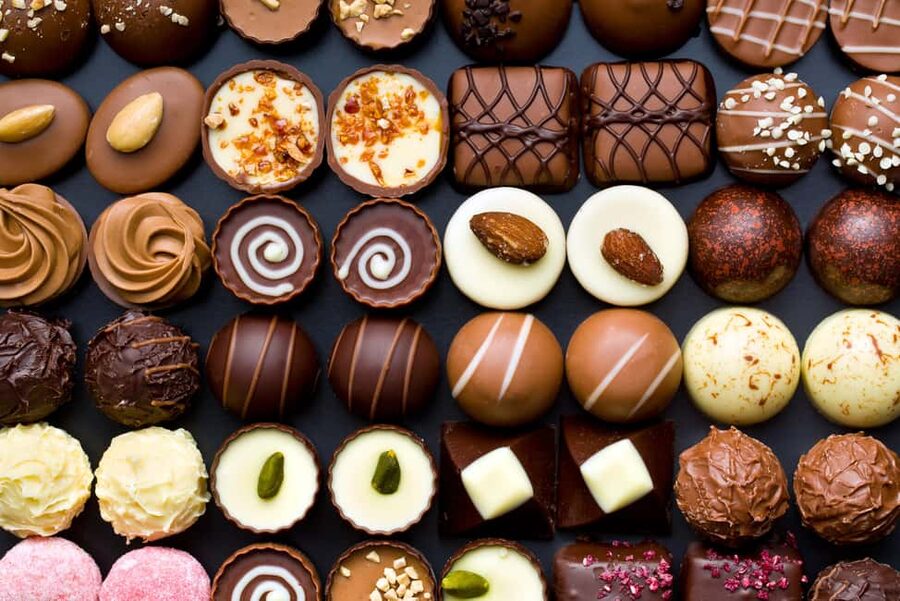
Chocolate tells a bigger story than dessert. This 35-minute Basel tasting traces cocoa from South America to Swiss chocolate makers, then puts the lesson on your tongue. I like the clear historical story and the chance to taste several styles, including truffles, chocolate almonds, and Grand Cru pieces. I also like that guides such as Lina and Jonas bring real enthusiasm to the subject. The main drawback is the short format, and you may be standing for much of the tasting.
At $24 per person, this is a fair buy if you want a focused introduction rather than a long factory visit. People with food allergies should skip it, and anyone hoping for a full meal or an extended workshop will find the experience too brief.
Key points at a glance
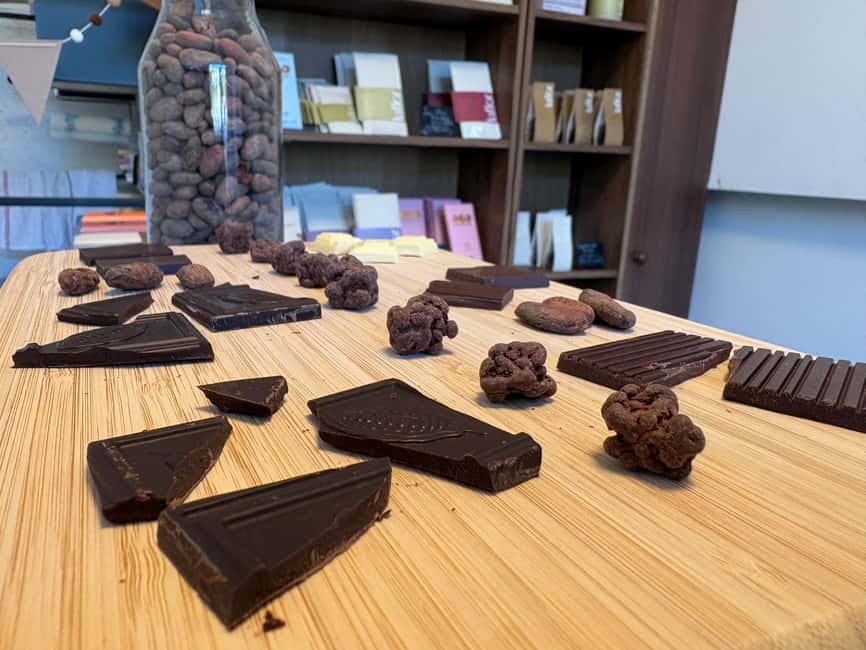
- Six or more chocolate tastes may be included: Expect truffles, white, milk, and dark chocolate, plus chocolate almonds. One participant reported tasting six samples.
- The story reaches back to South America: Your guide explains cocoa’s early roots and how it eventually reached Switzerland.
- Swiss chocolate history gets the spotlight: Cailler, Lindt, Peter, and Nestle are all discussed as important names in the industry.
- Grand Cru chocolate adds a more refined angle: A master chocolatier introduces differences in origin and character beyond ordinary candy-shop chocolate.
- Binningerstrasse 15 is both start and finish: The experience follows a simple out-and-back plan, with the tasting in Basel.
- It is short and easy to fit into a day: The full activity lasts 35 minutes, with English guiding and wheelchair access noted.
Why this short Basel tasting works
Basel is a good place for a chocolate lesson because the activity does not try to fill half a day. In 35 minutes, you get a guided explanation, a range of samples, and a look at the people and ideas that helped Swiss chocolate become famous.
I see this as a compact introduction, not a full production tour. You will not spend hours watching cocoa beans being roasted or making your own bar. Instead, you move through the subject by listening, tasting, and comparing.
That short length is useful during a packed city visit. You can fit it between museums, a walk through Basel, or another scheduled activity. At the same time, the clock can feel tight if you want lengthy questions about farming, roasting, or tempering.
The strongest part is the link between explanation and taste. When the guide discusses milk chocolate, dark chocolate, truffles, or chocolate almonds, you have a sample in front of you. That makes the history easier to remember than a talk made only of dates and names.
A few more chocolate tours around Switzerland worth a look
- Lindt Home of Chocolate Museum Entry Ticket
★ 4.7 · 9,329 reviews - Zurich: City Tour, Cruise, and Lindt Home of Chocolate Visit
★ 4.5 · 4,624 reviews - Award-Winning Geneva Chocolate &Old Town Tour with Boat Ride (3h)
★ 5.0 · 3,721 reviews
Starting at Binningerstrasse 15
The meeting point is Binningerstrasse 15, and the experience returns there after the Basel tasting. That gives you a clear beginning and end, with no complicated sequence of separate stops to follow.
You should check the exact starting time when booking, since several possible times may be offered. The supplied details do not give a full walking route or transport instructions, so allow enough time to reach Binningerstrasse 15 without rushing.
The simple out-and-back setup makes this useful for visitors who want a planned appointment. You are not left wondering where the activity ends or how to connect with the next part of your day.
The activity is listed as wheelchair accessible. Since the tasting is short, it may suit you if you prefer a limited commitment. Still, one person specifically wished for a few foldable chairs, so ask ahead if sitting during the tasting matters to you.
From South American cocoa to Swiss chocolate
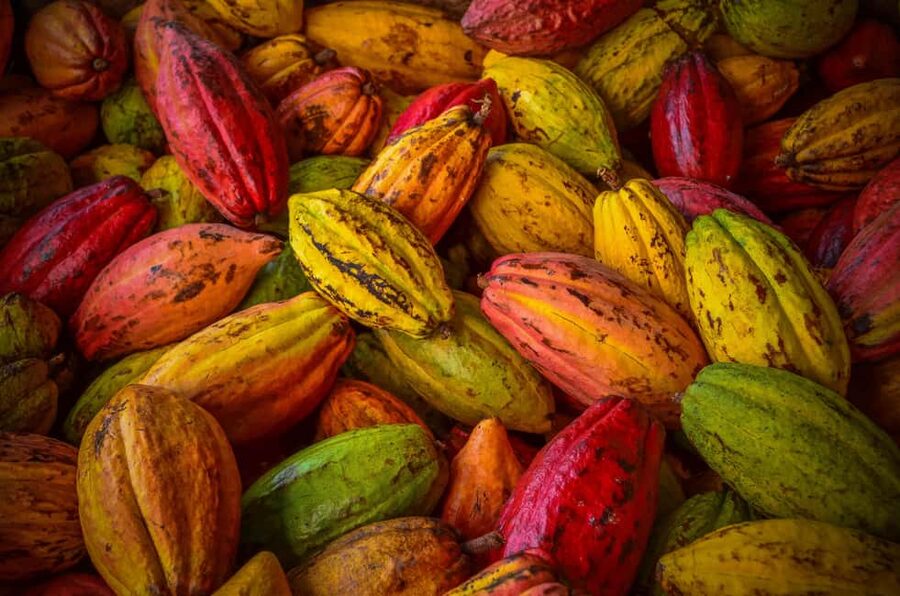
The guide begins with cocoa’s early story in South America. That context matters because Swiss chocolate did not begin with the polished bars and delicate truffles associated with it today.
You learn how cocoa traveled across continents and changed over time. The guide then connects that wider story with Switzerland’s rise in chocolate making. This gives the tasting a useful frame: you are not simply sampling sweets, you are following how an ingredient became part of a national food tradition.
Important industry names include Cailler, Lindt, Peter, and Nestle. Their role in the presentation helps explain why Switzerland gained such a strong place in the world of chocolate.
The value here is not in memorizing every name. It is in seeing that Swiss chocolate developed through new methods, new products, and the work of several major figures. If you already know a lot about chocolate production, the historical portion may feel familiar. If you are new to the subject, it gives you a helpful foundation.
The presentation also touches on where cocoa beans come from. One participant especially praised the explanation of bean sources and Swiss chocolate manufacture. That is a useful detail to listen for, since beans from different places can contribute different flavors and qualities.
The tasting: truffles, bars, and almonds
The tasting includes truffles, white chocolate, milk chocolate, dark chocolate, and chocolate almonds. This is a sensible range because it lets you compare texture and flavor, not just sample several versions of the same thing.
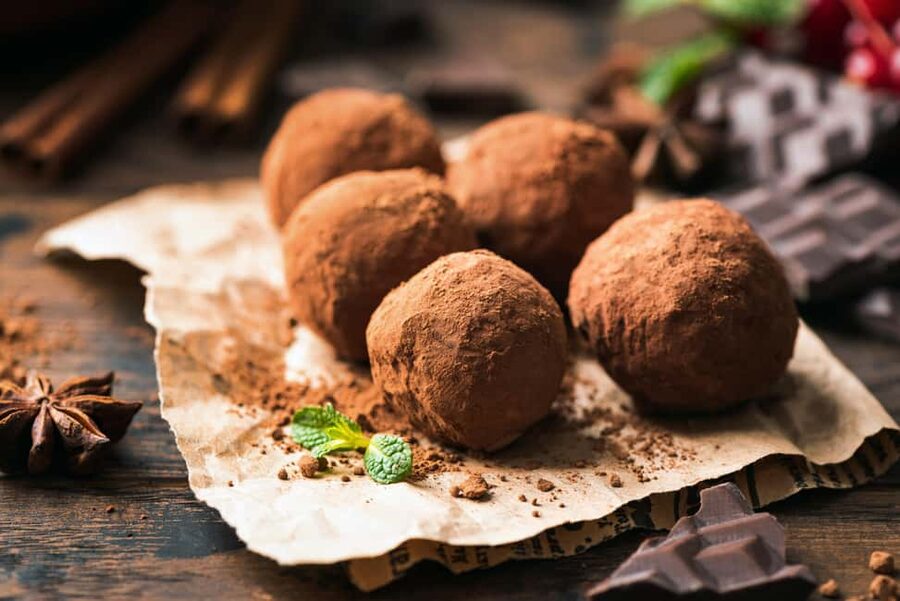
A truffle gives you a softer, richer experience. A hand-scooped dark chocolate offers another texture and a more pronounced cocoa taste. Milk and white chocolate show how sweetness and dairy change the character of the cocoa, while chocolate almonds add a crunchy element.
The supplied details also mention freshly made chocolate with no additives. That may appeal to you if you prefer a simple ingredient profile, though the exact ingredient list for each sample is not provided. If you have a serious allergy or dietary restriction, do not rely on the general description. This activity is specifically marked as unsuitable for people with food allergies.
One person reported tasting six samples. The exact number may depend on the session, but you should expect a selection rather than one single piece of chocolate. The tasting is designed to show variety, not to provide a large quantity.
Try to pay attention to the order of the samples. Start with the lighter, sweeter pieces and notice how your palate changes as the chocolate becomes darker or more intense. You can also compare the smoothness of a truffle with the bite of an almond piece.
The tasting is likely most rewarding when you slow down. A $24 experience can seem less worthwhile if you simply eat each sample quickly. Take a moment to notice sweetness, bitterness, texture, and finish. The guide’s explanation gives those differences a purpose.
Same place, a different sort of tasting:
- Zurich Sights: Cruise, Lindt Chocolate and optional FIFA Ticket
★ 4.0 · 1,028 reviews - Chocolate Flavors Walking Tour of Geneva
★ 4.9 · 670 reviews - Zurich: Lindt Home of Chocolate Guided Tour & Entry Ticket
★ 4.8 · 477 reviews - Maison Cailler chocolate factory Visit
★ 4.5 · 339 reviews
Grand Cru chocolate with a master chocolatier
The Grand Cru section gives the experience a step up from a standard chocolate sampler. The phrase refers to a higher-end style of chocolate, and the master chocolatier uses it to discuss quality, origin, and character.
You do not need specialist knowledge to enjoy this part. The point is to understand why two dark chocolates can taste quite different even when both contain cocoa. Bean origin, preparation, and the balance of ingredients all influence the final result.
The supplied information describes the presenter as a master chocolate sommelier. That is important because the experience is built around guided comparison. You are not simply handed a box and left to guess what makes each piece different.
Lina received especially strong praise for her explanation of bean sources and the manufacture of Swiss chocolate. Jonas was also described as friendly, well prepared, and informative. Guide quality can shape a short activity, and these names suggest that the experience benefits from presenters who enjoy the subject rather than reciting a fixed script.
The Grand Cru portion may be the highlight for anyone who already enjoys dark chocolate. If you mainly prefer very sweet milk or white chocolate, you may find the more refined discussion less important, but the wider tasting still gives you plenty to enjoy.
What the 35-minute schedule means
Thirty-five minutes is long enough for a clear introduction and several samples, but not long enough for a broad tour of Basel’s chocolate scene. You should think of this as a concentrated tasting appointment.
The short schedule is a plus for families, first-time visitors, and anyone arranging several activities in one day. It is also helpful if you want a small food experience without committing to a full meal.
The trade-off is pace. You may have only limited time to ask detailed questions, compare samples, or browse additional chocolate. One person felt the tasting was excellent but suggested foldable chairs, a reminder that the compact setup may not offer much comfort for sitting.
Do not book this expecting a factory floor, a chocolate-making class, or a long guided walk through Basel. Those features are not part of the stated experience. Book it for the story, the samples, and the chance to learn from a chocolate specialist.
Is $24 per person good value?
At $24, the value depends on what you want from the hour. You are paying for an English-speaking guide, a guided history of chocolate, and a selection that includes truffles, white, milk, and dark chocolate, as well as chocolate almonds.
That is a reasonable price for a brief specialist tasting, especially if the samples are varied and the guide gives useful context. The experience becomes less attractive if you are looking only for the largest possible amount of chocolate. This is about quality and explanation, not filling a box.
The chance to purchase bars after the tasting adds some practical value. It lets you take home a favorite style after learning how to compare the samples. The available details do not specify the prices or selection of those bars, so treat that as an optional extra rather than part of the $24 package.
I would rate the value as strongest for curious eaters who want a guided introduction. If you already know Swiss chocolate well or have visited several tastings, you may prefer a longer experience with production included.
Who will enjoy it most?
I would recommend this for first-time visitors to Basel, chocolate fans, couples, families with older children, and anyone who likes food with a story behind it. The 35-minute length makes it easy to fit into a busy day.
It should also suit you if English guiding is important. The activity is offered in English, with a live guide rather than an audio recording.
The format may work well for people who want a gentle introduction to Grand Cru chocolate. You do not need to know the difference between cocoa origins before arriving. The guide explains the basic story and lets the samples carry part of the lesson.
I would be cautious if you have food allergies. The activity is marked as unsuitable for people with food allergies, and the tasting includes several types of chocolate. Ask the provider directly about ingredients only if you are considering booking, but the published guidance is clear: this is not presented as an allergy-friendly activity.
You may also want another option if you need regular seating. Although the activity is wheelchair accessible, one participant specifically wished for chairs. Accessibility and comfort are not always the same thing, so clarify your needs before booking.
Booking and cancellation details
You can reserve now and pay later, which is useful if you are still arranging your Basel schedule. The activity also allows free cancellation up to 24 hours in advance for a full refund.
The start point and return point are both Binningerstrasse 15. The tasting takes place in Basel and lasts 35 minutes. Check availability for the actual starting times offered on your date.
Because this is a short appointment, arrive with enough time to find the meeting point. The available information does not give a group size, so you should not assume a private tasting or a very small class.
Final call: book it for the story and variety
I would book this Basel chocolate tasting if you want an affordable, well-focused introduction to Swiss chocolate. The best features are the range of samples, the history from South American cocoa to Swiss makers, and the chance to hear about Grand Cru chocolate from a specialist guide.
I would skip it if you want a long factory visit, a hands-on class, or a full dessert stop. The 35-minute schedule is its strength and its limit. For most visitors, $24 is a fair price for a compact experience that gives you both something to taste and something to remember.
FAQ
Where does the chocolate tasting start?
The experience starts at Binningerstrasse 15 in Basel.
Where does the activity finish?
The activity returns to Binningerstrasse 15 after the tasting in Basel.
How long does the experience last?
The tasting lasts 35 minutes.
What language is the tour offered in?
The live tour guide speaks English.
What types of chocolate are included?
The tasting includes truffles, white chocolate, milk chocolate, dark chocolate, and chocolate almonds.
Is the tasting wheelchair accessible?
Yes, the activity is listed as wheelchair accessible.
Is the tasting suitable for people with food allergies?
No. The activity is marked as unsuitable for people with food allergies.
Can I cancel and receive a refund?
Yes. You can cancel up to 24 hours in advance for a full refund.
Just added around Switzerland
- Lindt Chocolate Museum with Cruise Transfer from Zurich★ 4.6 · 7 reviews
- Zurich: Chocolate Tasting and Walking Tour with a Local★ 4.2 · 13 reviews
- Zurich Open-top Tour and Chocolate and Cheese Countryside★ 3.5 · 11 reviews
- Day/Night Sledding + ALL-YOU-CAN-EAT Cheese&Chocolate Fondue★ 4.7 · 4 reviews
- Zürich, Lindt Chocolate, Rheinfalls and Stein am Rhein★ 5.0 · 14 reviews
- Zurich City, Lake Cruise and Chocolate (Private Tour)★ 4.5 · 26 reviews
- Full-Day Private Zurich Sightseeing Tour and Chocolate Tasting★ 5.0 · 5 reviews
- Zurich with Cruise and Lindt Home of Chocolate Private tour★ 4.5 · 8 reviews
Chocolate Tours, compared.
Choco-Story Brussels: Chocolate Museum Entrance with Tasting
Read our review →
City Tour, Cruise, and Lindt Home of Chocolate Visit
Read our review →
The Chocolatarium Chocolate Tour Experience in Edinburgh
Read our review →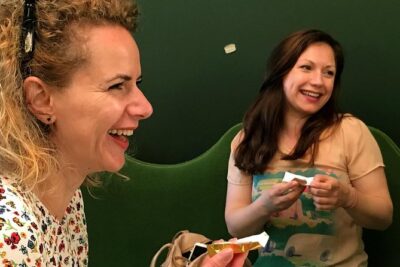
Award-Winning Geneva Chocolate &Old Town Tour with Boat Ride (3h)
Read our review →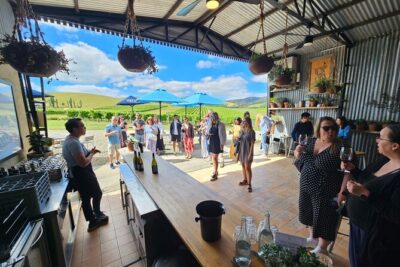
Yarra Valley Wine, Gin, Whisky and Chocolate Tour
Read our review →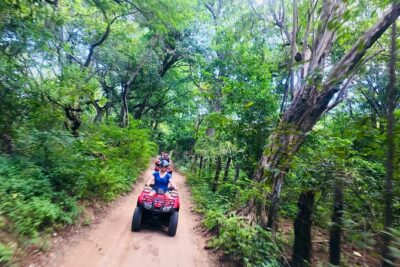
4×4 Dominican Adventure with Chocolate and Coffee Tasting
Read our review →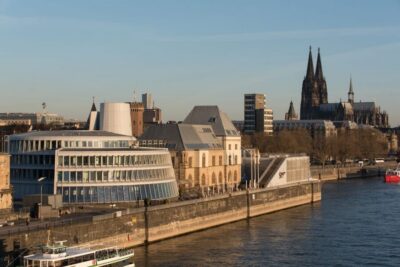
Browse the lists this tour appears in