Review · FRANCE
Paris: Choux Pastry and Chocolate Éclair Making Class
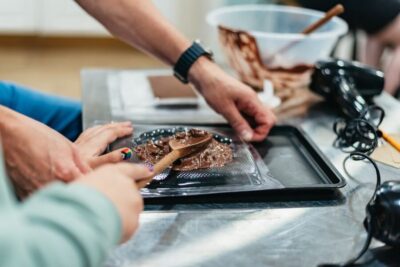
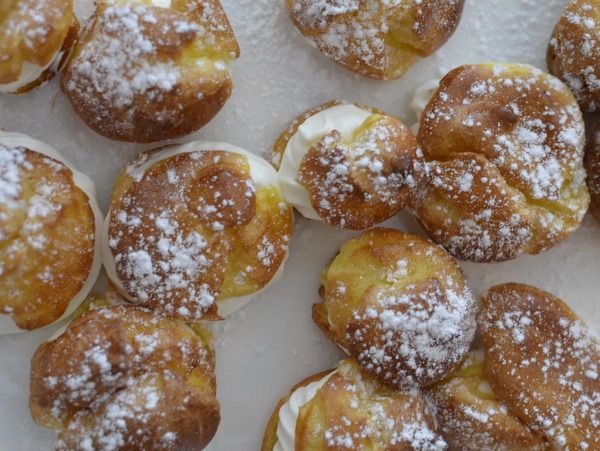
Pastry skills taste better in Paris. This three-hour class near Notre-Dame gives you hands-on practice with choux pastry, chocolate éclairs, cream puffs, Chantilly, and crème pâtissière. I like the small group size, limited to eight people, and the useful mix of cooking, culture, and tea-table conversation. I also like that you leave with recipes in English and a box of your own pastries.
The main consideration is the price: $151 per person is a serious spend for a half-day activity. Still, you get two hours of active baking, an apron and equipment, instruction in English, refreshments, recipes, and food to take home. Children under 12 cannot enter the kitchen, and participants aged 12 to 16 must attend with a participating adult.
Key points at a glance
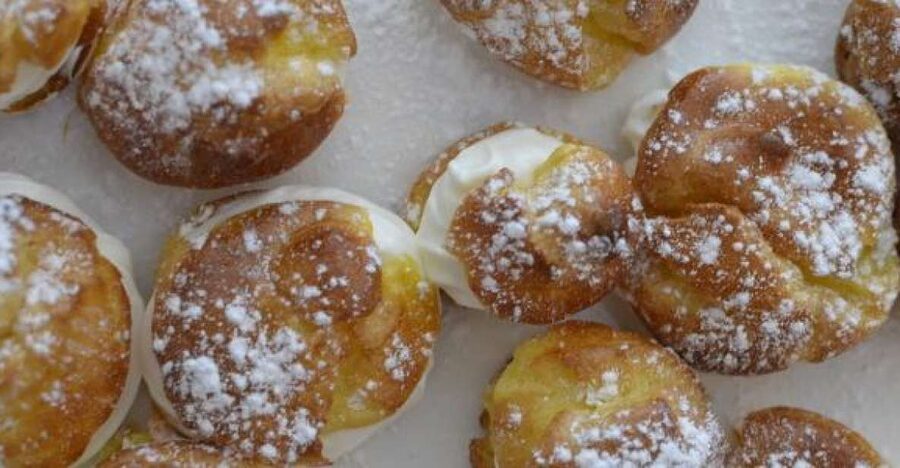
- A small class near Notre-Dame: The kitchen at 59 rue Cardinal Lemoine is in the Latin Quarter, with groups limited to eight.
- Three French pastry foundations: You work with pâte à choux, crème pâtissière, and Chantilly, then use them in éclairs and cream puffs.
- Real hands-on practice: You pipe the dough and fillings yourself instead of only watching a chef demonstrate.
- A social French touch: Tea, coffee, organic fruit juices, and light stories about French culture make the class feel like more than a baking lesson.
- Useful take-home value: You receive printed and electronic recipes, plus your own pastries in a box.
- Strong teaching record: Stephane, Florence, Anne, and other instructors have been praised for patience, humor, clear explanations, and individual help.
Why choux pastry makes a good Paris class
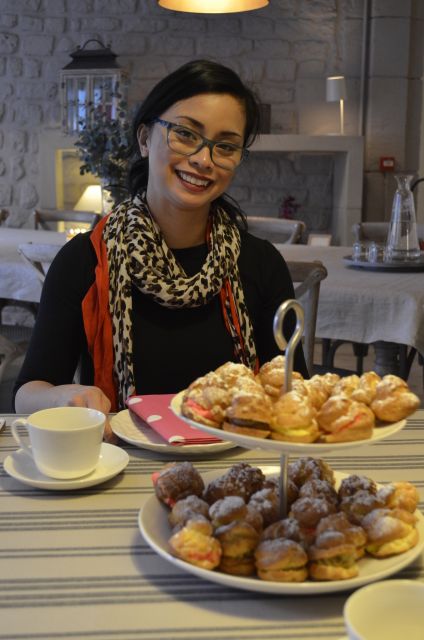
Choux pastry is a smart subject for a short cooking lesson. It is central to many French pastries, but the technique can seem mysterious when you first meet it. The dough is cooked before it goes into the oven, then piped into shapes. Small changes in texture, pressure, and baking affect the final result.
This class gives you a useful pastry base rather than one narrow recipe. You work with the dough for éclairs and cream puffs, then learn how the same method can create other shapes and savory items. That makes the lesson more valuable than a class built around decorating one finished dessert.
I like the practical focus. You are not simply standing behind a counter while a chef does the important work. The class includes about two hours of hands-on instruction, so you should expect to mix, pipe, fill, and shape pastries yourself. If you are a first-time baker, the format gives you a friendly way to learn. If you already bake, the techniques may help you fix small problems in your own kitchen.
More Pastry and Chocolate Tours in France
- Paris French Sweets Tasting Tour with Pastries and Chocolates
★ 4.5 · 947 reviews - Saint-Germain: Gourmet Chocolate & Pastry Walking Food Tour
★ 4.8 · 495 reviews - Paris Chocolate, Macaron & Pastry Food Tour: 10 Gourmet Tastings
★ 5.0 · 339 reviews
Meeting the pastry basics at Le Foodist
The class takes place at Le Foodist, 59 rue Cardinal Lemoine, in the Latin Quarter. The location is just steps from Notre-Dame, so it fits nicely into a day spent around the Île de la Cité, the Seine, or the Left Bank. Plan your sightseeing carefully, though. A three-hour class is long enough that you should not squeeze it between two tightly timed museum reservations.
You begin with a welcome refreshment and a chance to meet the other people in the group. The small format matters here. With three to seven people described for the class and a maximum of eight participants, the instructor has a reasonable chance to watch your technique and answer questions.
That personal attention was one of the most praised parts of the class. Laura from the Netherlands found Stephane easy to understand, energetic, and attentive to each person. Greg described Stephane as detailed and patient, while David praised the clean kitchen and clear instruction. Those are useful qualities in baking, where a quick correction can save an entire batch.
The instructor names may vary. Stephane, Florence, and Anne have all led sessions, and each received praise for a different strength. Florence was described as an excellent English-speaking teacher who shared useful pastry secrets. Anne was witty and patient. Stephane brought energy and careful explanations. You should expect the teacher to change, but the consistent picture is a friendly, organized lesson in English.
Making pâte à choux from the start
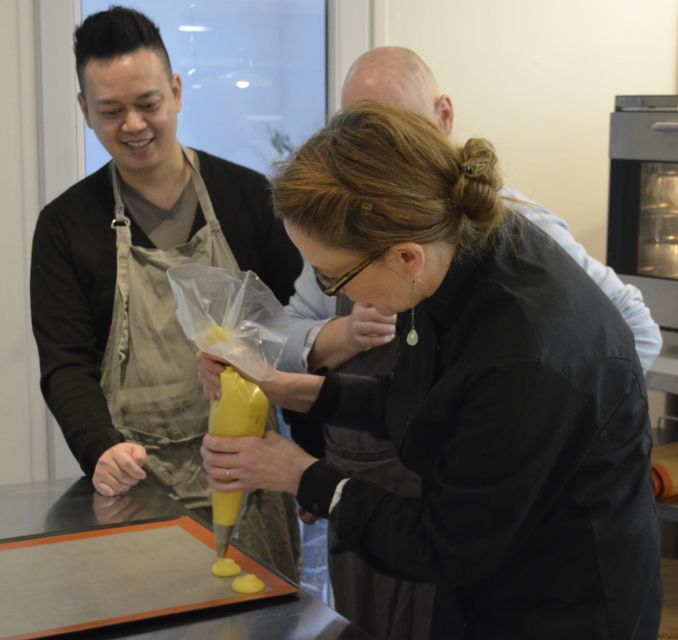
The first major section centers on pâte à choux, the dough used for éclairs and cream puffs. You learn the basic process from the beginning instead of receiving ready-made dough. That is important because the lesson is really about feel and control.
The dough must reach the right consistency before you pipe it. Too firm, and it may not shape well. Too loose, and the pastries may spread. The class teaches the fundamental technique, with the instructor guiding you through the process and explaining why each stage matters.
This is where a good teacher earns the fee. Baking instructions can tell you what to do, but a pastry chef can point out what the mixture should look like and how to handle it. The class is designed for direct instruction, so you can ask questions as you work.
You then practice piping. This is one of the most useful skills in the whole session. Piping affects the size, shape, and even baking of an éclair or cream puff. You may not produce perfectly uniform pastries on your first try, but you leave with a better understanding of how to hold the bag, apply pressure, and finish each shape.
The piping section also gives the class some comic relief. Pastry chefs know that the first few shapes can look less elegant than expected. The atmosphere is meant to be convivial rather than stiff, and the instructors use humor to keep beginners from taking every imperfect line too seriously.
Crème pâtissière, Chantilly, and chocolate éclairs
After working with the choux dough, you make the fillings and cream components. Crème pâtissière is a basic French pastry cream used in many desserts. Chantilly adds a lighter, whipped element. Learning both gives you two different textures and two useful recipes to repeat at home.
The class then brings the pieces together in chocolate éclairs and cream puffs. This part is satisfying because you can see the full chain of work: dough, piping, baking, filling, and finishing. You are not just learning isolated preparations. You are building a finished pastry from several parts.
Maria B attended with her daughter and enjoyed the way the class moved from basic choux pastry to éclairs and an old-fashioned swan shape. That detail is worth noting. The lesson can include more than the standard long éclair, so you may get a glimpse of the decorative side of French pâtisserie as well.
The swan is especially appealing for anyone interested in classic pastry presentation. It connects the practical lesson to older French bakery traditions, where choux dough could become elaborate forms for special occasions. The class does not promise a full survey of pastry history, but these extra shapes add character and variety.
You should leave with more than a recipe card. You gain a working sense of how the components fit together and how to use a piping bag with purpose. For a home baker, that is the difference between collecting another recipe and learning a repeatable technique.
More Pastry and Chocolate Tours in Paris
- Paris Pastry Tour – Croissants, Macarons & Iconic French Desserts
★ 5.0 · 232 reviews - Saint-Germain The Original Chocolate Tasting Tour with Pastries and Macaron
★ 4.5 · 215 reviews - Paris: Montmartre Chocolate & Pastries Tour with 8+ Tastings
★ 4.7 · 131 reviews - Croissants and pains au chocolat with a pastry chef in Paris
★ 5.0 · 123 reviews
Tea, stories, and the French side of the lesson
The class includes tea, coffee, or organic fruit juices while you enjoy the pastries. A native French instructor also shares stories about French culture and pâtisserie, often with a tongue-in-cheek tone. This adds a social layer that many technical cooking classes lack.
I like this part because it connects the food to daily French life. Pastry is not only a set of measurements and oven temperatures. It also belongs to a culture of cafés, afternoon treats, family celebrations, and careful presentation. The stories help give the baking a sense of place.
The tea-table finish also lets you taste what you made. That is better than packing everything away without knowing how the texture turned out. You can enjoy the pastries with the group, then take extra creations home in a box.
The mood appears to be one of the class’s strongest features. Lindsey described the session as well organized and full of laughter. Prishana found Anne witty and patient. That balance matters because a pastry class can become tense if the teacher rushes or treats mistakes as failures.
Do not expect a silent professional kitchen or a formal chef demonstration. The tone is social, conversational, and designed for people who want to learn while having fun. Serious bakers can still pick up useful methods, but the class is not aimed only at advanced pastry students.
What you take home for $151
At $151, the class is not a budget activity. Paris offers many cheaper ways to eat a pastry. You can buy an éclair from a bakery for a small fraction of the price, then enjoy it without spending three hours in a kitchen.
The value is in the instruction and participation. You receive an English-language hard copy and electronic copy of the recipes, use of the kitchen equipment and apron, refreshments, and a box of your own pastries. The recipes extend the value beyond the day itself. If you make the dough, crème pâtissière, or Chantilly again at home, the cost becomes easier to justify.
The small group also helps. You are paying for access to an instructor who can explain the process and give individual attention, not simply for ingredients and a finished snack. Laura specifically appreciated the individual help, and that detail matters more than a fancy kitchen or a long list of menu items.
Still, your personal value depends on your interest in baking. If you want a quick Paris activity with a lot of sightseeing, this class will take a large part of your day. If you enjoy cooking, want a rainy-day plan, or like bringing home a skill instead of another souvenir, the price makes more sense.
The box of pastries is a practical bonus. You can share them with friends and family, or keep them for the next couple of days. Just remember that delicate cream pastries are not the same as a durable souvenir. They are best treated as a short-lived reward for your work.
Who should book this class
This class suits first-time bakers especially well. You do not need to arrive with advanced pastry skills, and the instructors have been praised for patience and clear explanations. The hands-on format gives you a chance to learn by doing without making the kitchen feel intimidating.
It also works well for a parent and older child. Maria B took the class with her daughter and found it a memorable mother-daughter activity. Participants aged 12 to 16 can attend with a participating adult, but children under 12 cannot enter the kitchen.
Couples and friends should enjoy the shared task, but you do not need a companion. Laura attended with a friend and noted that the class could also be fun on your own. The small group gives solo participants a natural way to meet people without forcing a tour-group atmosphere.
Experienced home bakers may find the class worthwhile if they want to sharpen their choux technique or learn the French approach to crème pâtissière and Chantilly. The lesson is not described as an advanced master class, so highly trained pastry professionals may want something more specialized.
Practical details before you reserve
The class lasts three hours, with roughly two hours devoted to hands-on baking. The remaining time includes welcome refreshments, stories, tasting, and packing your pastries. Starting times vary, so check the available schedule before building the rest of your day.
The meeting point is Le Foodist at 59 rue Cardinal Lemoine, 75005 Paris. Since the venue is near Notre-Dame in the Latin Quarter, you can pair the class with nearby sightseeing, but allow yourself enough time to arrive without a rush.
Instruction is in English. An apron and cooking equipment are provided, and recipes come in both printed and electronic formats. The small group is limited to eight participants, though some sessions may have fewer people.
You can cancel up to 24 hours before the activity for a full refund, and the reserve-now, pay-later option can help if your Paris schedule is still changing. The class does not accept unaccompanied minors, so families should check the age rules before booking.
Should you book the Paris éclair class?
Book it if you want to do more than eat French pastry. The strongest reasons are the hands-on piping practice, the small group, the clear English instruction, and the chance to take home both recipes and finished pastries. Stephane, Florence, and Anne have each been praised for making the class patient, lively, and easy to follow.
Skip it if you are looking for the cheapest way to taste an éclair, or if your Paris schedule is packed with major sights. At $151, the class earns its price through teaching, participation, and the take-home value, not through the food alone.
For a parent and older child, a couple, a solo visitor, or a home baker who wants a useful French skill, this is a strong pick. You will not just return with a sugar fix. You will return knowing more about how French pastry is built, shaped, filled, and shared.
FAQ
Where does the choux pastry class take place?
The class meets at Le Foodist, 59 rue Cardinal Lemoine, 75005 Paris, in the Latin Quarter near Notre-Dame de Paris.
How long does the class last?
The experience lasts three hours. About two hours are devoted to hands-on work with choux pastry, crème pâtissière, Chantilly, and chocolate éclairs.
Is the class taught in English?
Yes. The listed instructor language is English, and recipes are provided in English in both hard copy and electronic formats.
What pastries will I make?
You will work with choux pastry and use it to make chocolate éclairs and cream puffs. The class may also include additional shapes, such as the traditional swan form.
Can children attend?
Children under 12 cannot enter the kitchen or participate. Participants aged 12 to 16 must be accompanied by a participating adult. Unaccompanied minors are not allowed.
What is included in the price?
The price includes the class, cooking equipment, an apron, English recipes in printed and electronic formats, tea, coffee or organic fruit juices, cultural stories, and a box of your own pastries to take home.
More Chocolate Making Workshops in Paris
- Paris: 45-minute Chocolate Making Workshop at Choco-Story
★ 4.4 · 444 reviews - Paris : 45 min Chocolate Workshop at Choco-Story Paris
★ 4.0 · 51 reviews - Praliné Rocher Chocolate making class in Paris (collective)
★ 5.0 · 23 reviews - Molded Bonbons Chocolate making class in Paris (collective)
★ 4.5 · 20 reviews
Just added around Paris
- Private Wine and Chocolate Tasting Experience★ 4.4 · 3 reviews
- Private Wine and Chocolate Tasting in Paris★ 4.5 · 4 reviews
- Paris Sweet & Chocolate Family Treasure Hunt★ 5.0 · 37 reviews
- Molded Bonbons Chocolate making class in Paris (collective)★ 4.5 · 20 reviews
- Paris Saint-Germain Private Tasting Tour with Chocolate plus Pastries & Macaron★ 5.0 · 10 reviews
- Private Family Chocolate Making Class in Paris★ 5.0 · 16 reviews
- Pure Chocolate Tour in Paris★ 5.0 · 20 reviews
- Expert-Led Sweet Secrets of Paris Pastry & Chocolate Marathon★ 5.0 · 3 reviews
Chocolate Making Workshops, compared.
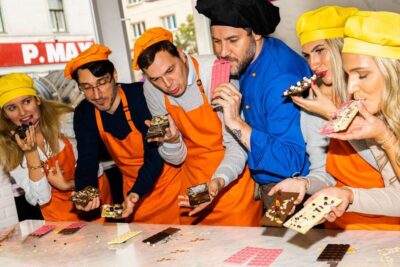
Chocolate Workshop in Chocolate Museum w/ Tasting
Read our review →
Belgian Chocolate Making Workshop with Tastings
Read our review →
Belgian Praline and Mendiants Chocolate Workshop
Read our review →
1.5h Belgian Chocolate Workshop in Brussels (bean to bar)
Read our review →
45-minute Chocolate Making Workshop at Choco-Story
Read our review →